
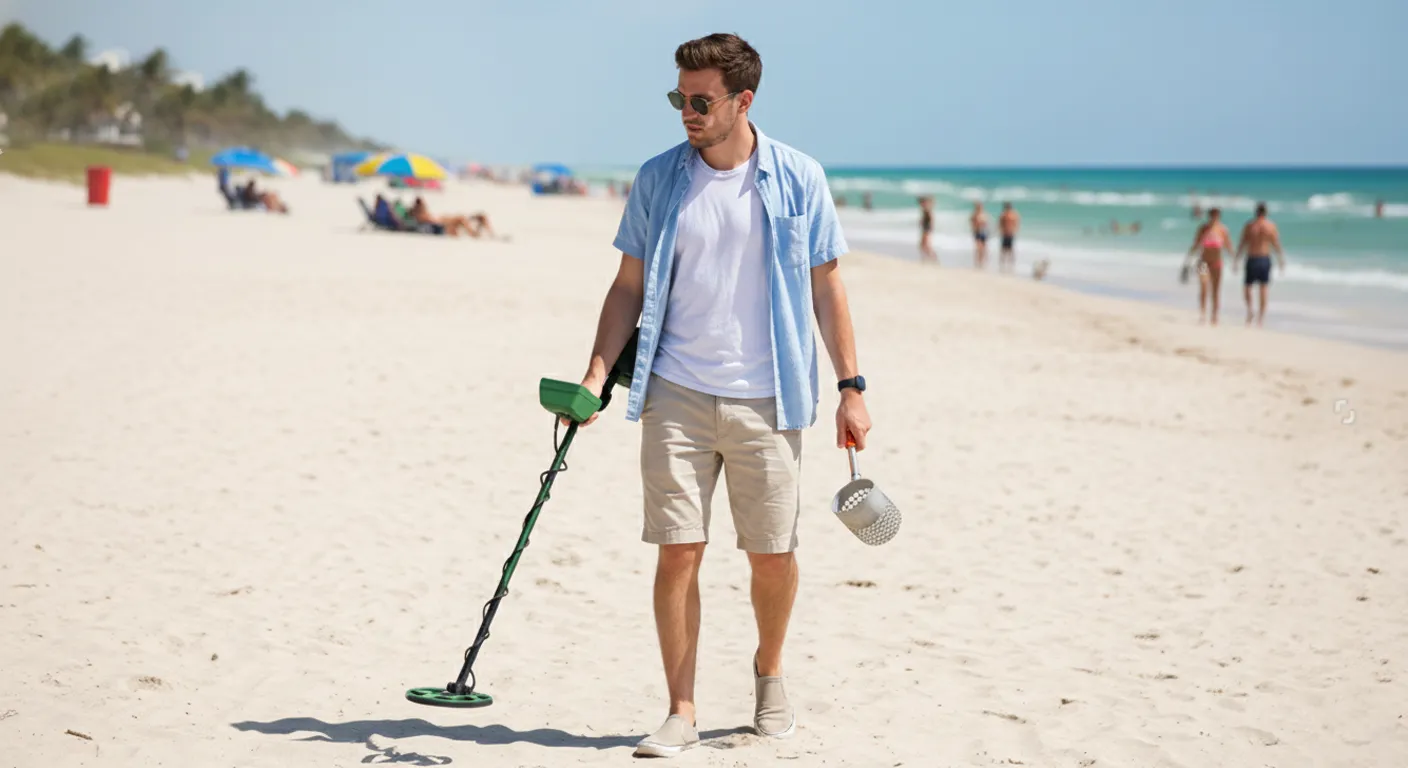
Whenever individuals hear the name Florida, they tend to imagine the beaches, palm trees, and sunshine. But there is something more exciting under the sands in Florida than simply the treasures of the ages. The Sunshine State is a metal detector haven with shipwrecks scattered all over the Atlantic and the leftovers of the early settlers on the Atlantic.
The coastline of Florida, particularly the legendary “treasure coast,” is known for tales of vanished gold and silver of the Spanish fleets. Each wave and each storm alters the sands to present some discovery to those who are willing to examine it.
This guide will assist you in finding the best six metal detecting sites in Florida, where history and adventure can be met. You will also get to know the rules, history, and tricks to make your treasure hunt enjoyable and within legal boundaries.
Table of Content
ToggleKnow Before You Hunt in Florida
It is always important to know that not all parts of Florida are open to metal detecting before you begin detecting. There are strict regulations in the state to conserve the historical and natural heritage.
- Do not visit state and national parks unless it is stated that metal detecting is allowed.
- Any artifact that is older than 50 years is owned by the State of Florida and not by an individual.
- Always fill in your holes to keep beaches safe and clean for others.
- Be respectful around turtle nesting zones, especially between March and October.
By following these rules, you’ll help protect Florida’s treasures while still enjoying the hunt.
Top 6 Metal Detecting Spots in Florida
Florida has an unlimited potential on the coastline, and these six locations are unique because of their history, accessibility, and possible discoveries.
1. Vero Beach
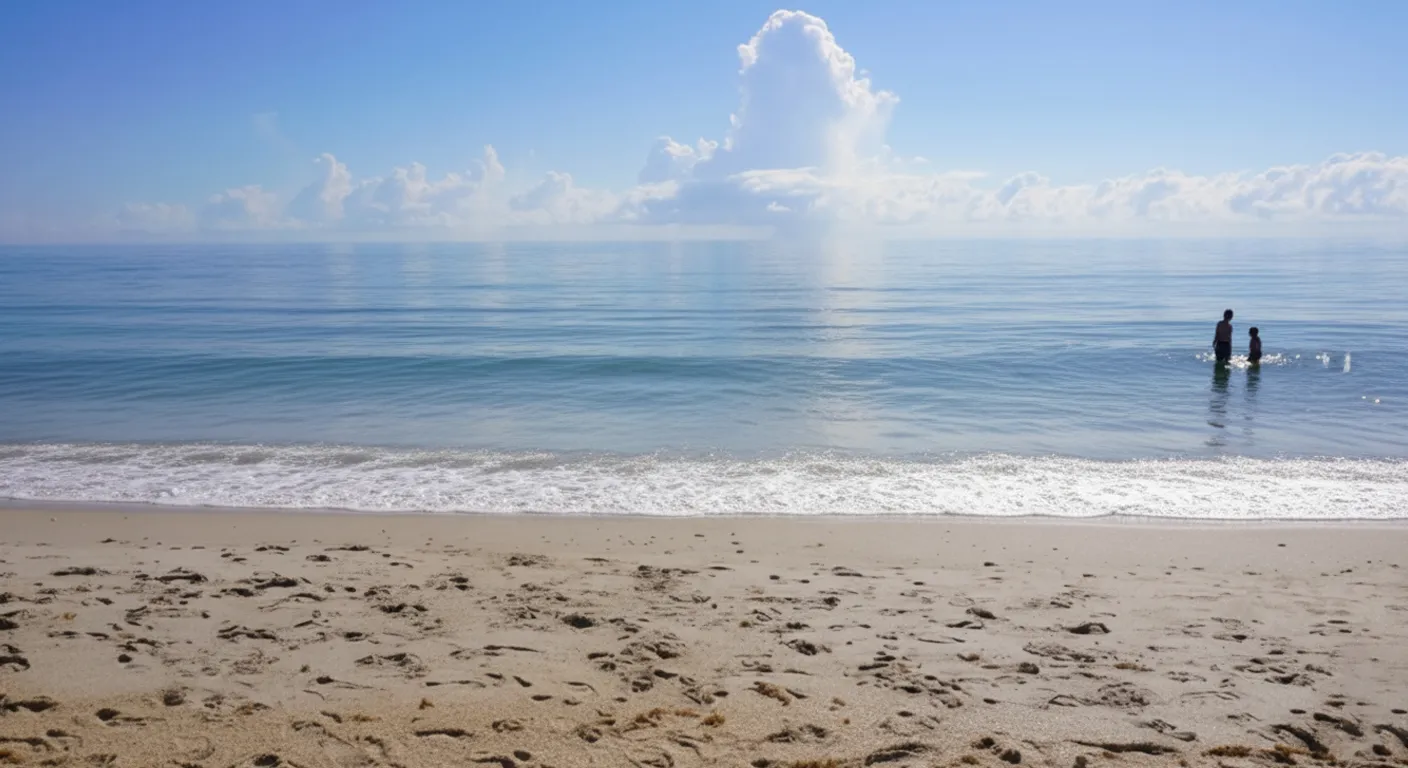
Vero Beach is one place in Florida that can be termed the Treasure Beach. It lies within the Spanish Fleet shipwreck 1715 zone, which is known as the location where the galleons with gold, silver, and jewels drowned in the hurricane. Most of those treasures remain today under the sands.
- Find: Spanish coins, gold chains, silver bars, ship fittings, and old jewelry.
- Best Time: After storms or at low tide, when new layers of sand shift.
- Rules: Stay in public access areas; avoid detecting in protected dunes or archaeological zones.
Vero Beach can suit everyone, both amateurs and professionals. It is one of the most exciting metal detecting sites in the world, which is thrilling because of the possibility of finding a centuries-old Spanish coin.
2. Sebastian Inlet State Park
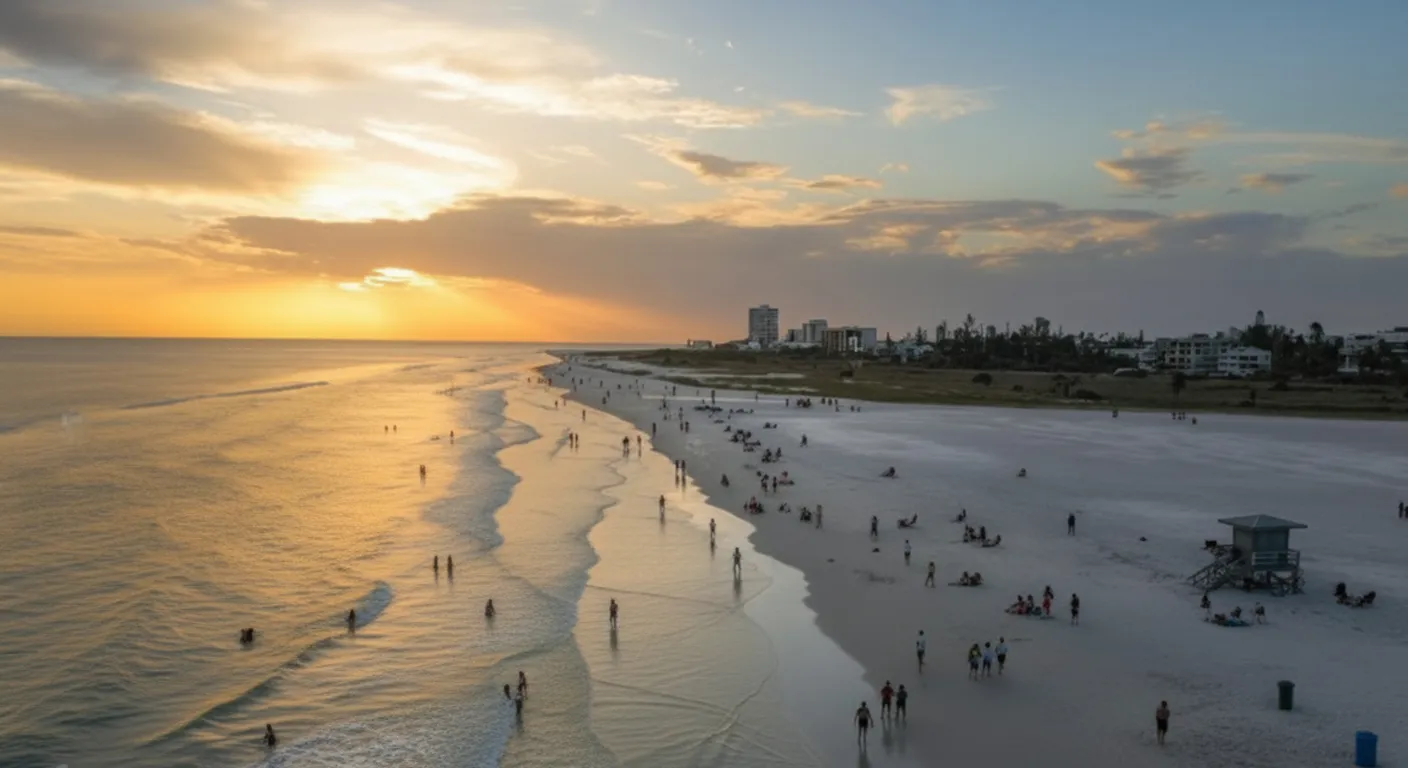
Another treasure-filled attraction associated with the 1715 Spanish Fleet catastrophe is Sebastian Inlet. Spanish coins and relics are frequently carried ashore by strong currents and storms. Hence, this park is an Eden to serious treasure-seekers.
Note:
- The metal detecting activity is permissible only in special areas (between the waterline and the dunes)
- Morning low tide offers the best window for detecting, as the sand is freshly exposed.
- Tip: Carry a scoop that has a long handle since the sand in this area is deep and, in most cases, soft.
The heritage treasure-hunt community and the rich history of Sebastian Inlet have resulted in the area being among the most popular sites to visit in Florida by both adventure and history lovers.
3. Fort Pierce Beach
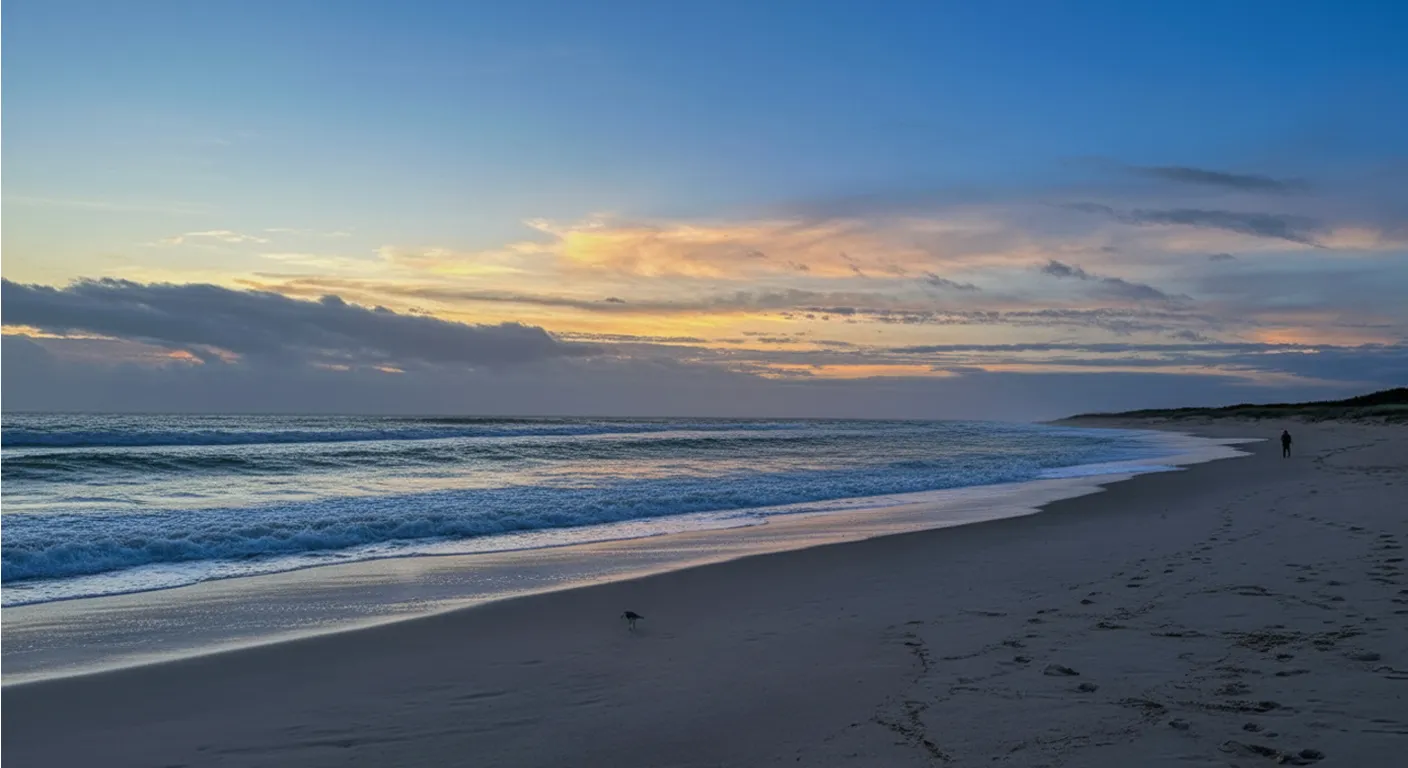
Fort Pierce Beach is slightly to the south of Vero Beach and is more peaceful, with great detecting prospects. Although it has the same story of treasure, it is not as crowded. Hence, it is an ideal place to learn how it works on a beginner level.
Features:
- Excellent for beginners due to soft sand and easy access.
- Post-storm debris lines often hide coins and small jewelry.
- Avoid historic zones south of the inlet, as detecting there is prohibited.
The local community is also very friendly in Fort Pierce Beach, and several metal detecting clubs hold meetups in this area. It is a wonderful place to study, to tell tales, and perhaps to have a glittering surprise.
4. Clearwater Beach (Gulf Coast)
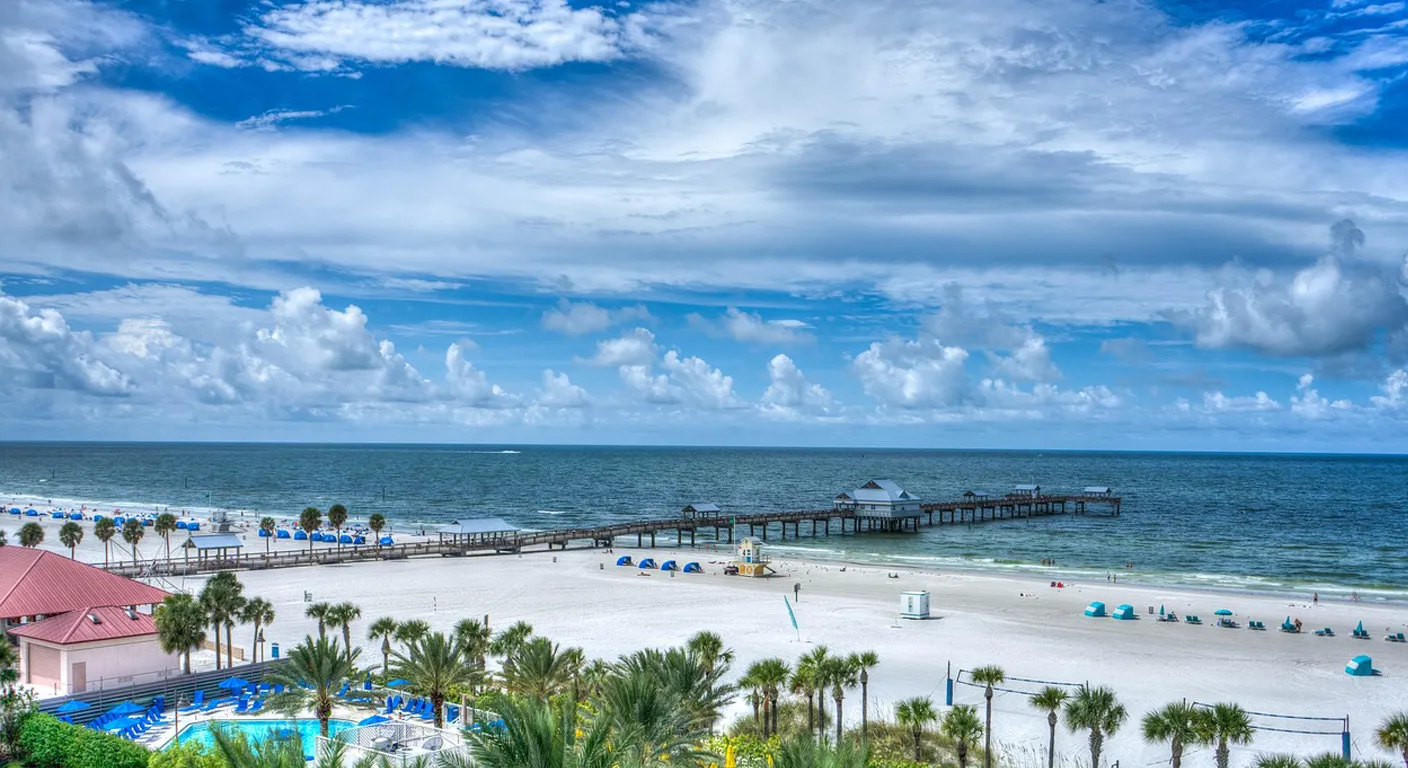
Clearwater Beach is also a popular beach located on the west coast of Florida due to its white powdery sand and breathtaking sunsets. This region, unlike the Treasure Coast, is a more modern hunt for rings, watches, and coins lost by beach-goers.
- Feature: Smooth sand, making it easy to dig and sweep your detector.
- Best Time: Early at sunrise, before the crowds arrive and the sand gets disturbed.
Tip: Use a metal detector with coin/jewelry discrimination mode to avoid trash signals.
You may not strike Spanish gold here, but with the constant tourist traffic, there is always something worth digging here to be discovered.
5. Siesta Key Beach
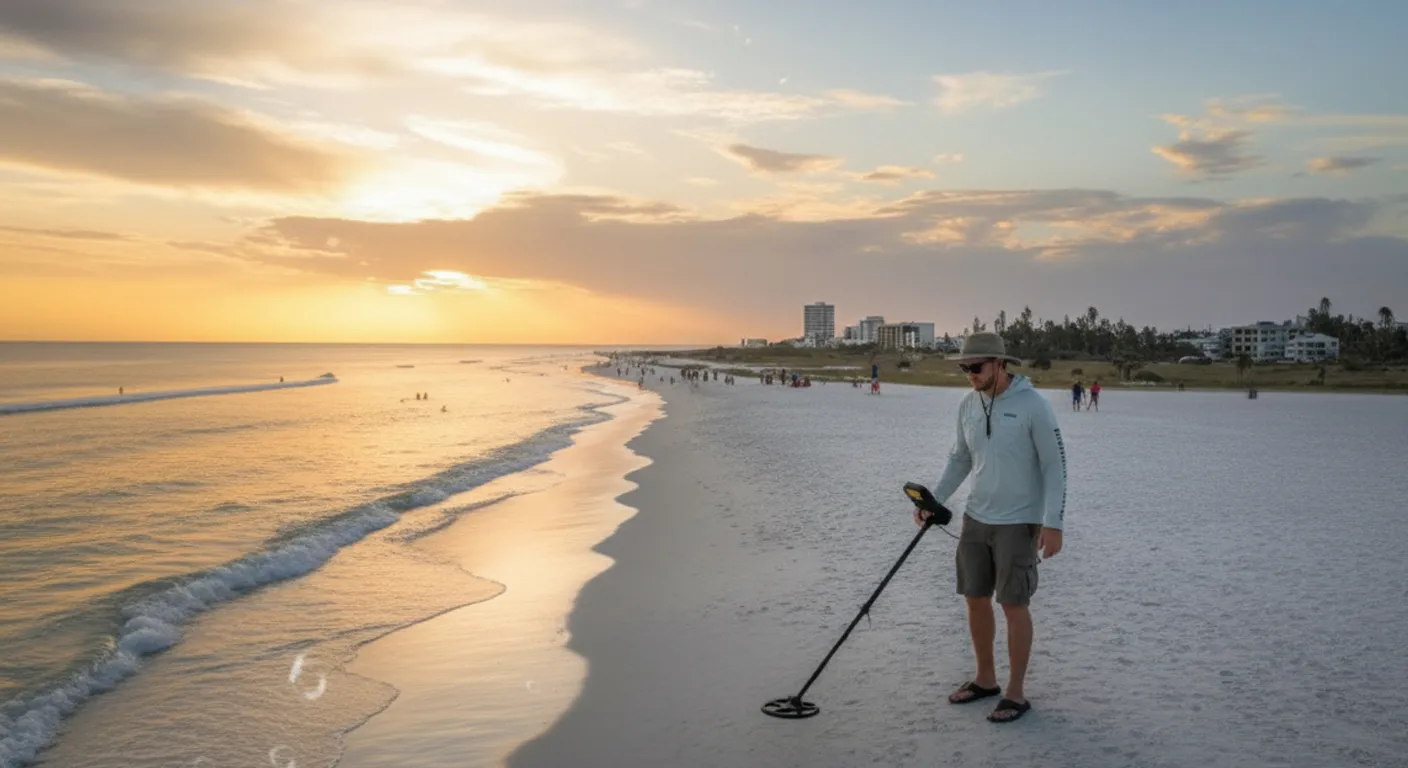
The Siesta Key Beach near Sarasota boasts of powdery quartz sand that is cool enough to spend hours of comfortable metal detecting. It is a popular spot for locals and tourists due to its beauty and clean beaches.
- Finds: Gold and silver jewelry, lost watches, and modern coins.
Tools: A reliable metal detector and sand scoop to dig efficiently.
Best Time: Early morning or after large beach events when new items are likely buried.
It is easy to detect in the smooth sand, and since the frequent visitors, the possibility of discovering modern valuables is higher. Siesta Key can be your treasure hunt with the best combination of both excitement and relaxation.
6. Pensacola Beach (Florida Panhandle)
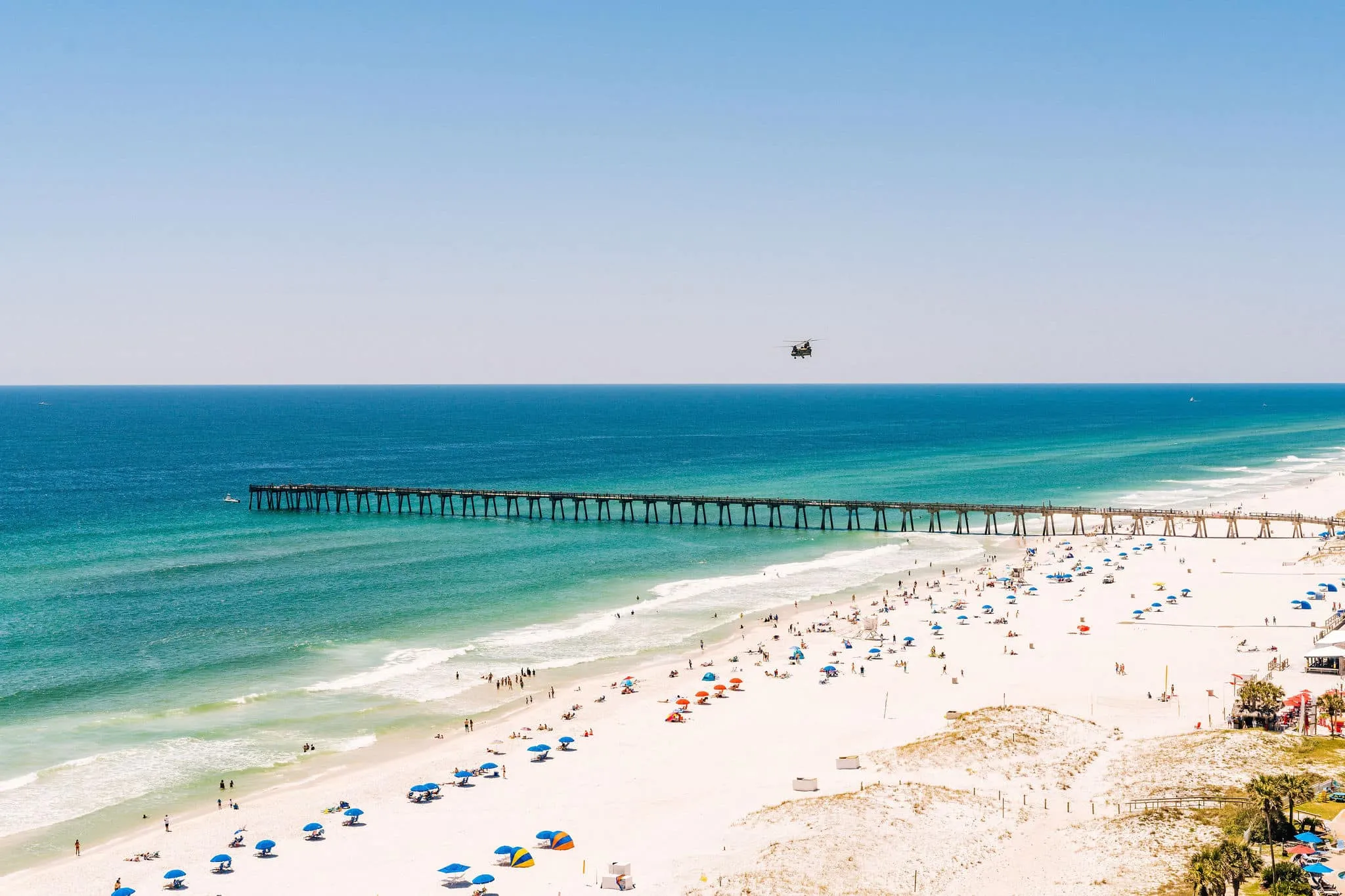
Pensacola Beach is unique because of its deep historical roots, which are found in the Panhandle. This area was a strategic military area, and it has accommodated the Spanish, British, and American troops. Each of which left behind some relics over the centuries.
You might find military buttons, old ammo casings, or early American coins beneath the sand.
Tips:
- Great for both dry and wet sand detecting.
- Local metal detecting clubs often host group hunts and share valuable insights.
- Be cautious near dune zones, as they’re protected by local environmental laws.
The combination of historical artifacts and current-day treasures in Pensacola makes it a place everyone has to go to once in their lives to have a flavor of the Florida complex history.
More Places for Detecting in Florida
If you’ve already explored these top spots, there are still plenty more to uncover.
- Cocoa Beach and Daytona Beach often yield coins, watches, and jewelry, especially after storms.
- Key West is another fascinating place, where shipwreck treasures and artifacts occasionally resurface.
- Inland Florida also offers opportunities — old parks, riverbanks, and pioneer trails can reveal relics from the Civil War and early settlements (with permission).
Regardless of your destination, be sure to abide by the local rules, be mindful of the personal property. Also, never detect without doing your research on the location.
Best Gear for Florida Conditions
The beaches in Florida have their own special problems, such as saltwater, mineralized sand, and high humidity. The right equipment is the difference between frustration and success.
Metal Detector
Select a model with good wet sand and shallow surf performance. Moreover, it should be waterproof and salt-resistant. Multi-frequency models such as Minelab Equinox 800 or Garrett AT Pro can be used in Florida when working on the beach.
Accessories
- Sand Scoop: Stainless steel or aluminum scoop for digging efficiently in wet sand.
- Pinpointer: Helps you quickly locate small targets within your dig area.
- Headphones: Essential for noisy beaches so you can hear faint signals.
- Carrying Bag & Gloves: Keep your gear organized and your hands safe.
Budget Gear Table
Gear Type | Recommended Example | Approx. Price (USD) | Notes |
Metal Detector | Minelab Equinox 800 | $900–$1,000 | Waterproof, great for saltwater beaches |
Budget Detector | Nokta Simplex+ | $300–$350 | Beginner-friendly and waterproof |
Sand Scoop | CKG or RTG Scoop | $70–$150 | Ideal for beach sand digging |
Pinpointer | Garrett Pro-Pointer AT | $100–$120 | Works well underwater |
Headphones | Waterproof Headphones | $50–$80 | For clear signals near the surf |
Carry Bag & Gloves | Generic | $30–$50 | Comfort and protection |
Investing in reliable equipment ensures a smoother detecting experience and fewer missed treasures.
Tips for Successful Metal Detecting in Florida
Here are a few simple but valuable tips for your next treasure hunt:
- Detect after storms: Strong tides often uncover buried items.
- Hunt early or late: Avoid crowds and catch the best sand conditions.
- Use proper settings: Switch to beach mode for better performance on salty sand.
- Stay hydrated and sun-protected: Florida’s heat can be intense even in early hours.
- Join local clubs: Groups in Treasure Coast or Pensacola often share locations and techniques.
Conclusion
Florida is not simply a beach; it is a treasure chest that needs to be opened. Of the Treasure Coast gold of shipwrecks and the Pensacola military relics, both places have a story to be found underground.
Before heading out, remember the key rules:
- Always check permissions and follow state regulations.
- Choose the right waterproof gear for Florida’s sandy, salty conditions.
- Be safe, stay respectful of nature, and leave no trace behind.
In Florida, metal detecting is not a simple hobby, but it is a historical, discovery, and adventure trip. Now take your detector, strike the sand, and see what treasure the Sunshine State has to offer you.
Recomended Reading
Related Products For Your Reference
High Accuracy Pointer Metal Detector...
Kids Metal Detector: Adjustable (27.5...

Add comment
You must be logged in to post a comment.