
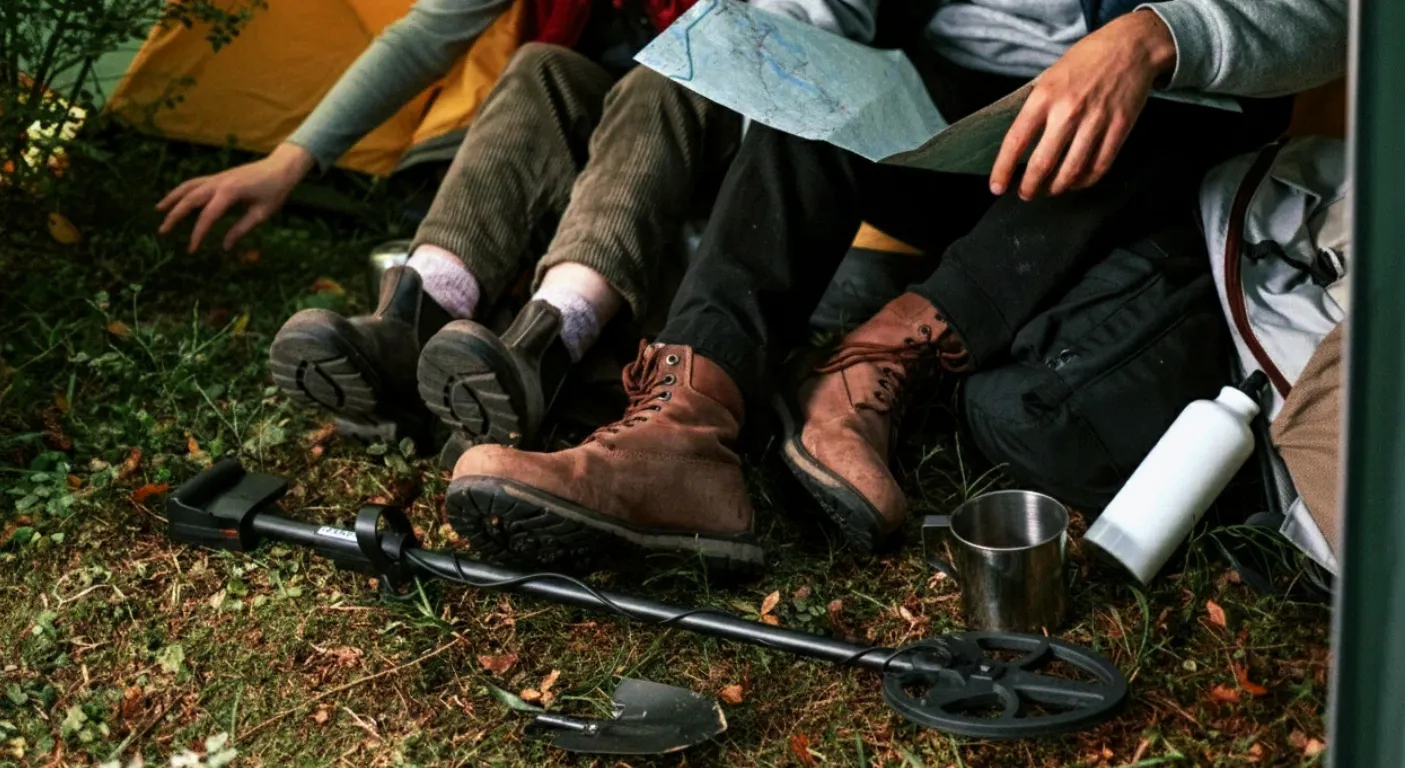
The beginning of metal detecting is exciting, and it is exciting when you want to go to the locations around your place of residence. At first, the question that beginners always ask is: Where can I find a good treasure-hunting ground near me? The question is even more critical once you have relocated to a new city and want new ground to hunt on.
You may be tempted to believe that treasure spots are difficult to find, but favorable sites are often pretty close to the anticipated distance. Many incredible things of different eras may be found in parks, beaches, schoolyards, rivers, and older fields.
But there are rules at each location, and there are places where permission is required or some particular permit. Being aware of such rules keeps you out of trouble and assists in the detection process.
This guide will show you easy-to-follow guidelines for your targets, the correct detector to use, investigation of the immediate areas, and the responsible way to detect successfully.
Table of Content
ToggleDefine Your Targets and Gear Match
You want to detect the most desired treasure and consider it before you begin to detect it. Various treasures are found in varying places. Thus, having a plan on what you want to achieve enables you to choose more robust search points.
What Kind of Treasure Do You Want to Find
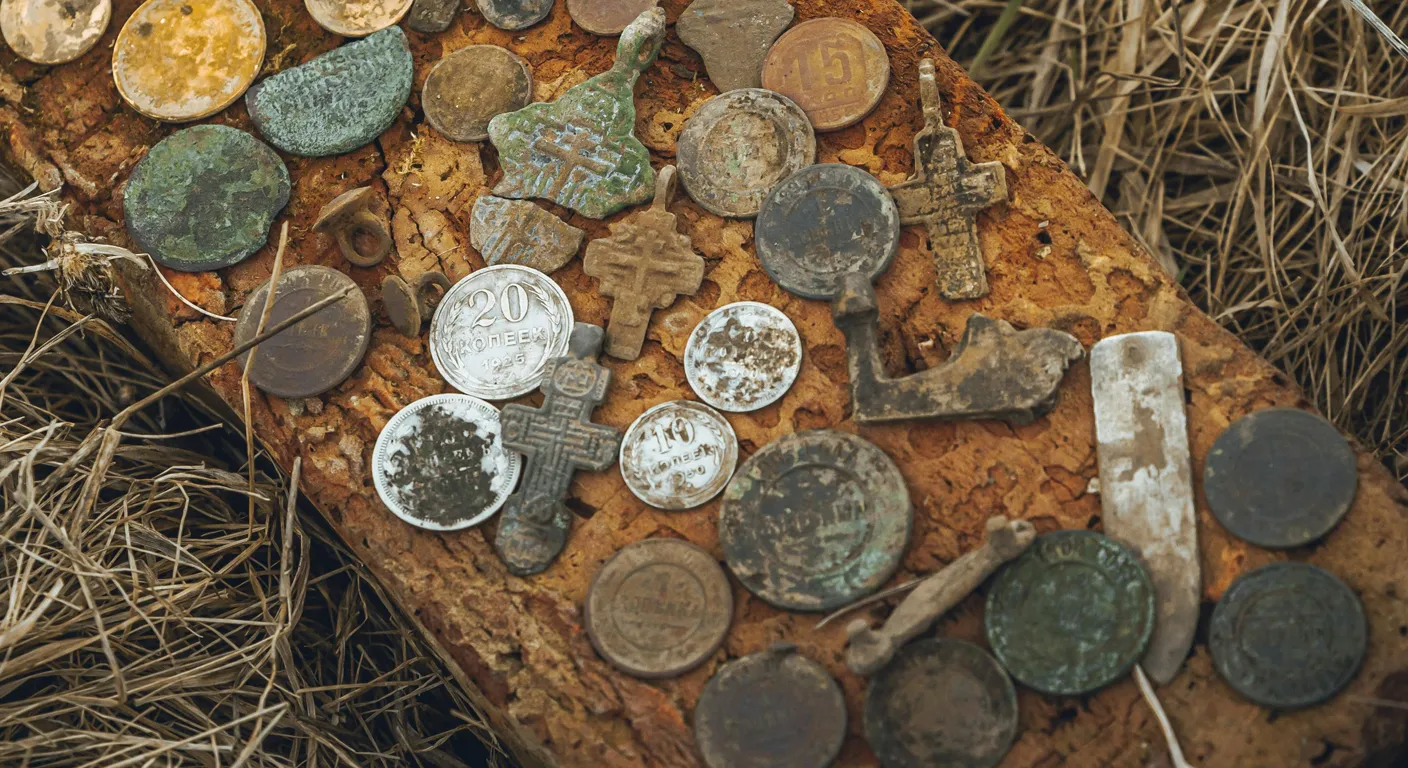
The inexpensive jewels and coins are the easiest targets since people lose objects anywhere. These treasures are frequently found in city parks, in schoolyards, on the edges of the playground, and in high-traffic areas during an event. Money falls out of pockets, and jewelry loosens when people are running, playing sports, or lying down on the grass.
Relic hunters find things such as buckles, buttons, bullets, and older tools. These objects are located in abandoned fields, old homesteads, deserted land, or areas that were inhabited long ago by humans. Relics belong to a community that had lived or worked on the land a few decades or centuries ago.
Gold hunters require exceptionally selective ground since gold remains near natural deposits. The best chance will be given to you at rivers, creek beds, and gold discovery areas. The pieces of gold tend to be very small, hence an adequate detector should be able to identify small signals.
Match Equipment to Target and Terrain
The type of treasure and the situation on the ground should have been a good fit for the detector of your choice. The incorrect machine is going to make your progress very slow and make you lose some deeper or smaller things.
- VLF detector performs at its best in parks, fields, and common soil, since it makes it easy to separate trash and good signals. It is also useful with shallow to medium depth targets, as well as it is simple to begin with.
- The PI detector is much better on the mineralized soil, wet sand, and saltwater areas. These regions are disturbed by VLF detectors, but PI detectors remain constant and identify deeper objects. They are very good on beaches and in the red clay areas of the ocean.
- A high frequency detector excites when a gold flake, or small pieces of jewellery, are found. These detectors capture subtle signals that are not detected by low-frequency models.
- A pinpointer assists you in finding the position of the target in the middle of digging a hole. The tool will save time, minimize digging errors, and also leave the ground clean.
Notice Legal and Ethical Foundations
Things like knowing the local regulations are needed since areas possess varying limits. There are those public parks that permit metal detecting, but some require a permit and even refuse to allow digging. Entering protected sites can lead to heavy fines, confiscation of your equipment, or legal trouble.
One has to have written permission even when it appears that the land is being left unutilized privately. Most landowners are glad to be contacted when you ask them kindly and state what you require. Respectful communication will develop trust, and it will provide you with access to better sites in the long term.
Ethics is a way to ensure the future of the hobby. Covering up your holes properly, disposing of waste, and leaving the ground better than the first time are part of building a good reputation. Accountable detecting helps society incentivize parks to stay open to amateurs..
How to Check Rules and Permissions
- Look for metal detecting rules on city, county, or state park websites.
- Contact park offices for updated guidelines about digging or tool usage.
- Review state-level metal detecting laws related to historic preservation.
- Request written permission before detecting private property.
- Join local metal detecting groups for guidance on regional laws.
Researching and Selecting Local Sites
As soon as you read the rules, you will be able to begin making a list of prospects for direct places. Good research enhances your interest in discovering something valuable and saves time.
Source Historical and Modern Data
Old maps, photos, books, and property records found in libraries depict the forgotten gathering places. These references are exposing former fairgrounds, marketplaces, households, and workplaces that are not presently in existence. Most of these locations have now been turned into open fields that can be detected.
There is more history of early communities and local happenings that are found in the historical societies. Members will even tell you where to find high-activity areas that are not frequented by other hunters.
The satellite maps on the internet and outdated aerial photos assist you in comparing the changes that have happened on the land. Beneath the modern scenery, you can look out and see old structures, walks, bathing pools, and picnic sites.
Identifying forums and community organizations is also quite informative concerning season trends, soil dynamics, and overall, all treasure spots.
Build and Score a Candidate Site List
You have gathered some research and now arrange your options with the help of a basic scoring system. This system assists you in deciding first the best locations, as well as eliminating random guessing.
Evaluate the sites in terms of age, since old sites also contain old treasures. Take into account its historical application, as more finds are made at active areas.
Test accessibility, as a convenient location offers a greater amount of detection. Also, investigate the present state of the site, since clean ground increases your efficiency in your search.
When you run the score and comparisons on these factors, your detection plan will be straightforward.
Micro-Zones in Top Site Types
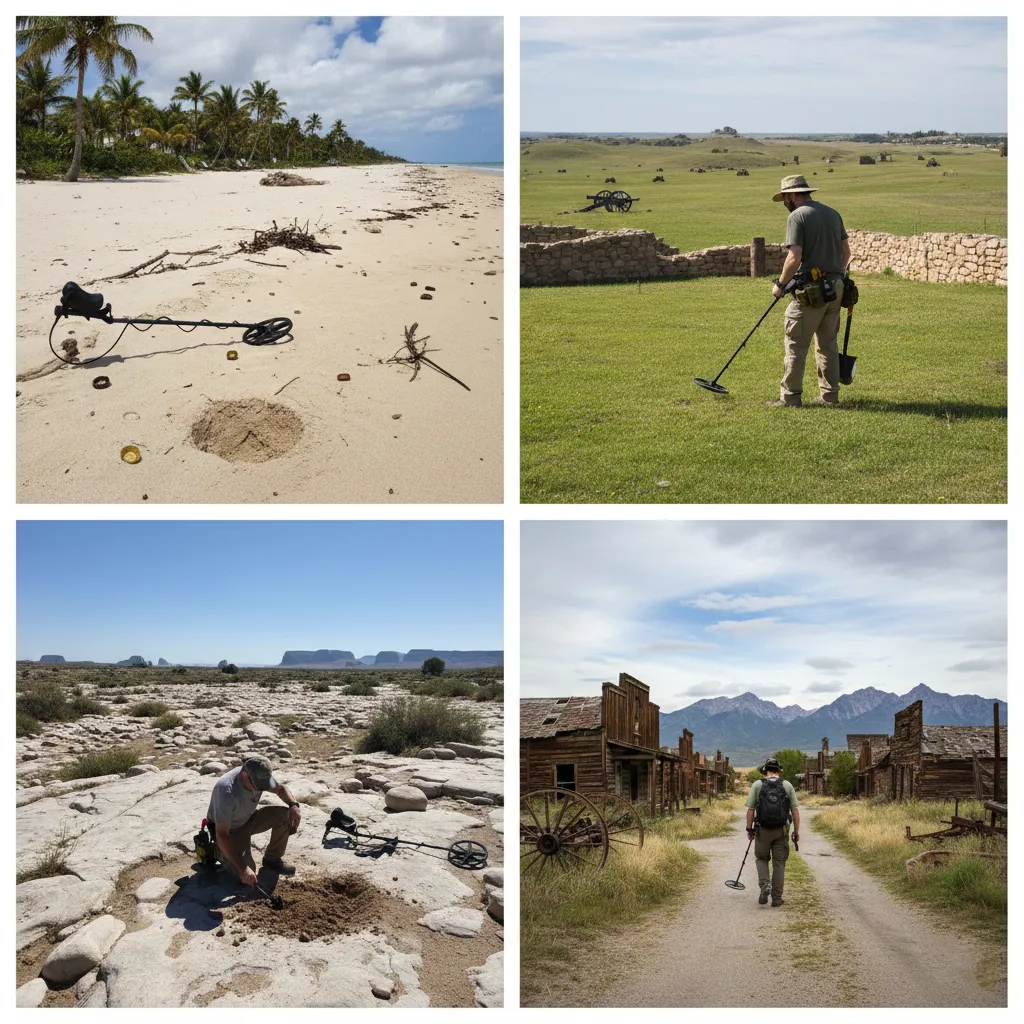
Big areas consist of small micro-zones with a higher treasure density. Trying to concentrate your attention on these areas can make you a better digger and a more valuable finder.
Parks
There are footpads along the routes and walking directions where coins and jewelry may fall during movement. Big trees provide shade areas where individuals sit and revive, and in most cases, they lose valuables without their knowledge. Good finds are also made on benches since people place their hands into their pockets when sitting. Lost jewelry and coins are collected on the fringes of sporting fields.
Beaches
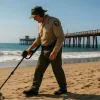
Towel lines contain rings, earrings, and a phone that are lost when people manipulate clothes. Objects buried years deep can be seen on the low tide line, as there are deeper levels. Storms move sand and reveal the targets that are otherwise covered by heavy layers. Such uncovered areas provide some of the finest beach hunting.
Fields
Pads left by old houses bear the footprint of the previous houses and usually contain relics. There are also cases of marked lines of trees in the past borders of property or walking paths that were used to be in use. Acculturated fields keep back deeper layers of soil and expose older materials to the surface.
Rivers
Eroded banks give the oblique juts that were washed out in older layers of soil upstream. Shallow crossing points were earlier used by people and animals as routes of travel. Sand bars entrap various objects that seasonal water shifts deliver.
Urban Areas
Festivals, concerts, and markets, which are organized on event grounds, leave behind a lot of fresh, dropped items. Victorian gardens may harbour remains, relics, and ancillary jewelry of the older ones. Street strips surrounding old districts are also a source of interesting discoveries, so although permission is necessary.
Seasonality and Environmental Conditions
Seasons affect soil behavior, ground visibility, and your comfort while detecting. Planning around seasonal conditions makes your hunts more successful and enjoyable.
Seasonal Impact on Detecting Success
- Spring: Spring moisture improves soil conductivity and delivers stronger detector signals. Plants begin to grow again, but ground visibility remains good for detecting.
- Summer: Summer crowds increase activity at beaches, lakes, and parks, creating new surface finds. Inland soil becomes drier, but coastal areas stay productive with constant movement.
- Autumn: Autumn removes heavy leaf cover and exposes ground features you usually miss. Cooler temperatures let you hunt longer and examine older wooded areas comfortably.
- Winter: Winter limits digging in frozen ground, but leaves beaches open for searching. Strong waves move sand aggressively, revealing deeper treasures hidden for years.
Site-Specific Conditions
Different surfaces behave differently, so you must understand their patterns.
Sand Conditions
Dry sand collects surface drops while wet sand holds older items more firmly. After storms, sand shifts and exposes new layers worth searching thoroughly.
Leaf-Off Woods
Bare trees in colder months expose trails, foundations, and older structures. With less vegetation, you can swing your coil more smoothly and cover larger areas.
Daily and Weather Timing Optimization
Proper timing helps you detect efficiently and improves your overall success.
- Moist soil after rainfall produces stronger detector signals and cleaner audio feedback.
- Low tide reveals more beach ground and exposes areas normally underwater.
- Post-storm hunting uncovers items moved by wind or strong waves.
- Early mornings and late afternoons give cooler temperatures and fewer crowds.
Conclusion
Finding good metal detecting spots near your home becomes easier with a clear plan. Decide your treasure goals, choose the right detector, and understand your local regulations.
You need to research to build a strong list of sites and focus on high-potential micro-zones. Pay attention to seasons, local weather, and ground conditions to improve your chances.
By following these steps, you can explore parks, beaches, fields, rivers, and urban areas with confidence. Respect the land, follow the rules, and enjoy the excitement of discovering hidden history.
Now you are ready to grab your detector and explore the treasure opportunities waiting near your home.
Recomended Reading
Related Products For Your Reference

Add comment
You must be logged in to post a comment.