
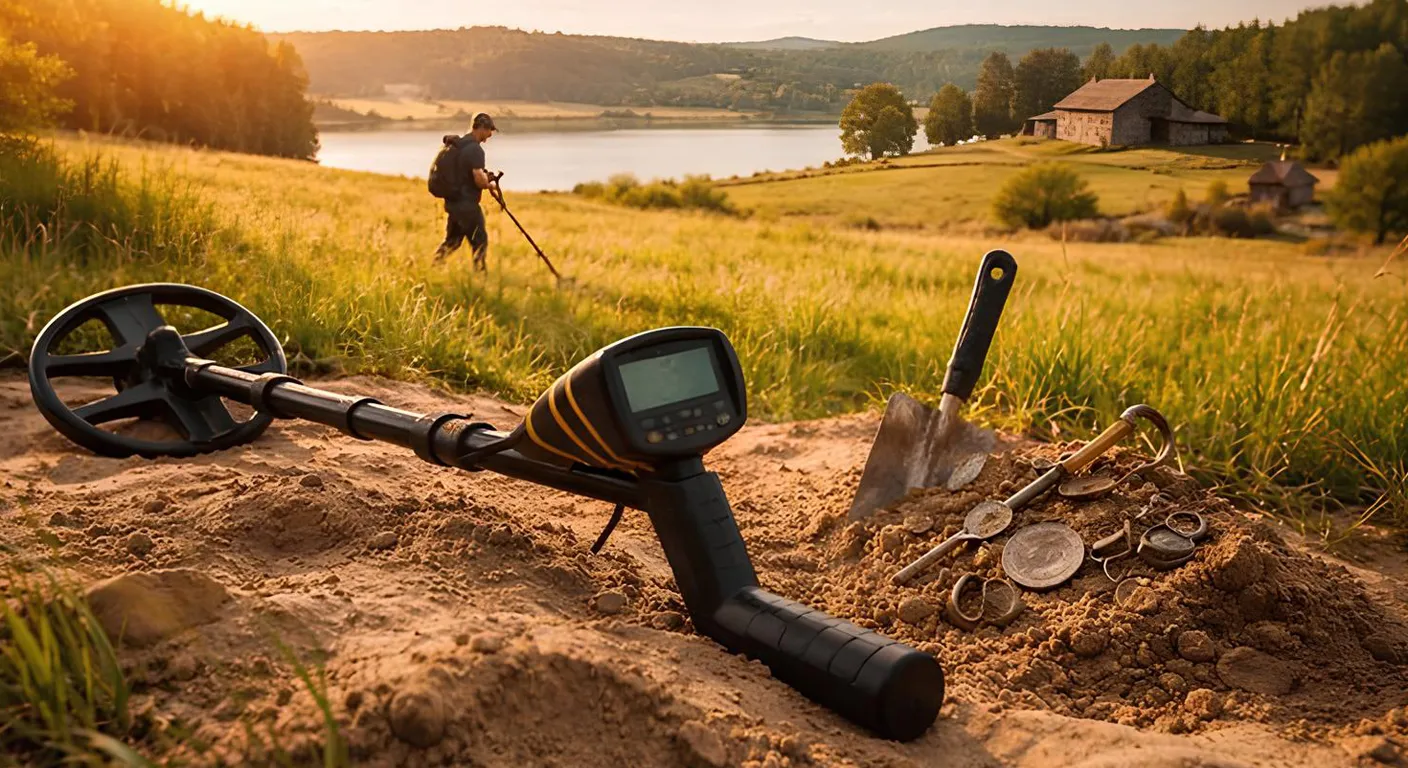
Kansas has vast open spaces, a small-town atmosphere, and a history of ordinary America under its ground. Since the state has never reported famous gold rushes, its history adds perfect grounds for feasible metal detecting discoveries. Ancient currency, found jewelry, army relics, and home artifacts can be found quite often on the used land.
Kansas enjoys the advantage of low-lying levels of land, many years of agricultural activities, deserted villages, and olden-day recreational districts. Such aspects enhance the possibility of recording for hobbyists who do research well.
This guide features an exploration of seven very productive spots for metal detecting in Kansas. You will also get to know the key pieces of information to help you detect well and effectively, including key laws, local rules, and tips.
Table of Content
ToggleBefore You Start: Laws, Permits, and Ethics
Laws and ethical responsibilities: Kansas metal detecting laws and ethical responsibilities. Before beginning to search for treasure, you need to comprehend the laws and ethical duties of Kansas metal detecting. Another problem leading to many access problems is misunderstanding, as opposed to deliberate breach of the rules.
1. Federal and State-Level Rules
Historical resources on common land in the country are safeguarded by the Archeological Resources Protection Act. ARPA does not allow the removal of man-made objects that are more than a century old without authorization.
This is applicable to federal land, such as land under the control of national agencies or federal reservations. In Kansas, preservation diminishes in the area of casual detecting and is more intent on archaeological preservation.
At the state level, metal detecting is permitted, but removing items in protected areas is prohibited. Knowing the types of ownership of land will assist you in escaping legal implications.
2. Kansas Public Land and Parks
Kansas permits the use of metal detectors on a portion of the state-owned lands, but the regulations differ and depend on the management level. Excavation is usually done with mostly shallow hand tools as opposed to heavy shovels.
In a few state parks, only swimming beaches or recreational shore can be detected. Historic landmarks, interpretative sites, and demarcated archaeological locations are all firmly banned. Never find out the case of detecting after posting, reviewing beforehand, or inquiring at the respective park office.
3. Local Rules, City Codes, and Permits
There are cities and counties that manage their parks and green spaces in Kansas. Other cities prohibit the use of metal detectors in city parks. Others permit, but need annual permits or express authorization.
The parks located in Kansas City are rather strict as they are encouraged to follow stricter principles because of the issue of preservation. Verification of municipal codes and websites of park departments avoids unnecessary trips and even fines. Good corporate citizenship creates credibility and future availability.
7 Best Places for Metal Detecting in Kansas
Kansas also has different settings that would provide both beginners and experienced detectorists. Both types of locations have their own traffic patterns, target depth, and recovery challenges.
Num | Location | Type of Spot | Typical Finds |
1 | Milford State Park | Beach and shoreline | Coins, jewelry |
2 | Shawnee Mission Park | Urban recreational park | Coins, rings |
3 | Kansas City–Area Parks | Urban high-traffic zones | Jewelry, coins |
4 | Kansas Reservoir and Lake Beaches | Water recreation areas | Jewelry, personal items |
5 | Semi-Ghost Towns | Historical settlements | Relics, old coins |
6 | Farm Fields and Rural Home Sites | Agricultural land | Household relics |
7 | Family Parks and Playgrounds | Modern activity areas | Coins, charms |
Kansas offers diverse detecting environments, from beaches to abandoned towns, each with unique recovery potential.
1. Milford State Park
| Traffic | Heavy summer crowds from families, campers, and swimmers, especially on weekends and holidays |
| Top Finds | Modern coins, silver rings, earrings, watches, children’s charms, toy coins |
| Rule Alert | Detecting allowed only on sandy beach areas; wetlands and protected zones are prohibited; ARPA applies |
| Pro Tip | Hunt towel lines and shallow entry points early in the week using a waterproof detector and moderate sensitivity |
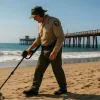
Milford State Park is one of the most reliable metal detecting locations in Kansas thanks to heavy summer foot traffic along its sandy beaches. Lost items frequently accumulate in high-use areas, making finds predictable after busy weekends and holidays.
2. Kansas Public Land and Parks
| Traffic | Year-round heavy use from sports, picnics, jogging, and festivals |
| Top Finds | Coins, jewelry, keys, occasional tokens |
| Rule Alert | Some areas require permits or limit digging |
| Pro Tip | Search picnic lawns early with a small coil |
Shawnee Mission Park is one of the busiest urban parks in Kansas, hosting sports events, daily joggers, picnics, and large community gatherings throughout the year. This constant foot traffic increases the chances of dropped coins and personal items, especially in open lawns and picnic areas that see repeated use during festivals and seasonal events.
3. Kansas City–Area Parks
| Traffic | Daily use from sports, playgrounds, and public events |
| Top Finds | Coins, rings, earrings, belt buckles |
| Rule Alert | Some parks prohibit detecting or require permits |
| Pro Tip | Search older sections and shaded areas with a small coil |
Older parks in the Kansas City area see layered foot traffic from sports fields, playgrounds, and public events year after year. Daily use by children, athletes, and casual visitors makes these parks reliable locations for recently dropped coins and jewelry, especially in shaded and less-maintained areas.
4. Kansas Reservoir and Lake Beaches
| Traffic | Seasonal swimmers, anglers, and campers |
| Top Finds | Jewelry, coins, fishing weights, sunglasses, occasional relics |
| Rule Alert | Detect only in dry sand or shallow water; permits may be required in some areas |
| Pro Tip | Search near boat launches and swimming edges; use waterproof detectors and adjust sensitivity |
Reservoirs and lake beaches in Kansas are popular with swimmers, anglers, and campers, especially during seasonal peaks. Moving water and shifting sand often reveal lost items, making these locations productive for metal detecting along boat ramps, swim entry points, and towel lines.
5. Semi-Ghost Towns and Abandoned Communities
| Traffic | Low modern traffic; historically used settlements |
| Top Finds | Old coins, buttons, household tools, early artifacts |
| Rule Alert | Most are private property; permission required; protected by preservation laws |
| Pro Tip | Research old maps and sweep slowly using low discrimination to find historic items |
Kansas is home to many semi-ghost towns, remnants of old rail stops, farming settlements, and small industrial hubs. These historically rich areas often contain relics from the late 19th and early 20th centuries, making them rewarding sites for metal detecting.
6. Farm Fields and Rural Home Sites
| Traffic | Low modern traffic; agricultural and rural areas |
| Top Finds | Coins, buckles, old tools, buttons, household artifacts |
| Rule Alert | Landowner permission required; avoid crops and livestock areas |
| Pro Tip | Detect after harvest on freshly turned soil; use large coils and adjust ground balance |
Kansas agricultural fields often hide remnants of old homesteads, barns, and gathering areas. Plowing and seasonal farming can bring lost items closer to the surface, making these fields productive for metal detecting.
7. Family Parks and Playgrounds
| Traffic | Constant activity from children and families |
| Top Finds | Coins, small rings, charms, occasional toy parts |
| Rule Alert | Some areas restrict detecting; follow municipal codes and park signage |
| Pro Tip | Search grassy edges and pathways during low-traffic hours; restore holes and adjust detector sensitivity |
Playgrounds and family parks in Kansas are busy with children and families year-round, making them reliable locations for lost coins, small jewelry, and charms. Shaded and grassy areas near benches and picnic spots are particularly productive.
Mistakes to Avoid When Detecting in Kansas
Most of the problems that detectorists experience in Kansas are caused by improper preparation, and not bad equipment. The errors in law involve finding land that is under restriction or neglecting the provision of permits. Land access miseries include surveying without express authorization by the owner or the park government.
Types of digging errors consist of left visible damage or unfilled holes. The most common ethical errors include taking away items of historical importance without recording that. Research errors occur when the detectorists do not research the history of the sites, ancient maps, or land ownership publications before hunting.
Conclusion
Detectorists can find pleasing combinations in Kansas between beaches, city parks, ghost towns, and farmland. The hobbyists are attracted to coins, jewelry, and historical relics, and they prepare beforehand. Constant modern finds can be found in Milford State Park,
Shawnee Mission Park and Kansas reservoirs. States and villages provide greater historical payoffs, such as the semi-ghost towns. Recognition of success is based on studying, tolerance, and respect for the law. With the help of observing regulations and ethics, it is possible to engage in metal detecting in Kansas suitably and productively.
Recomended Reading
Related Products For Your Reference



Add comment
You must be logged in to post a comment.