
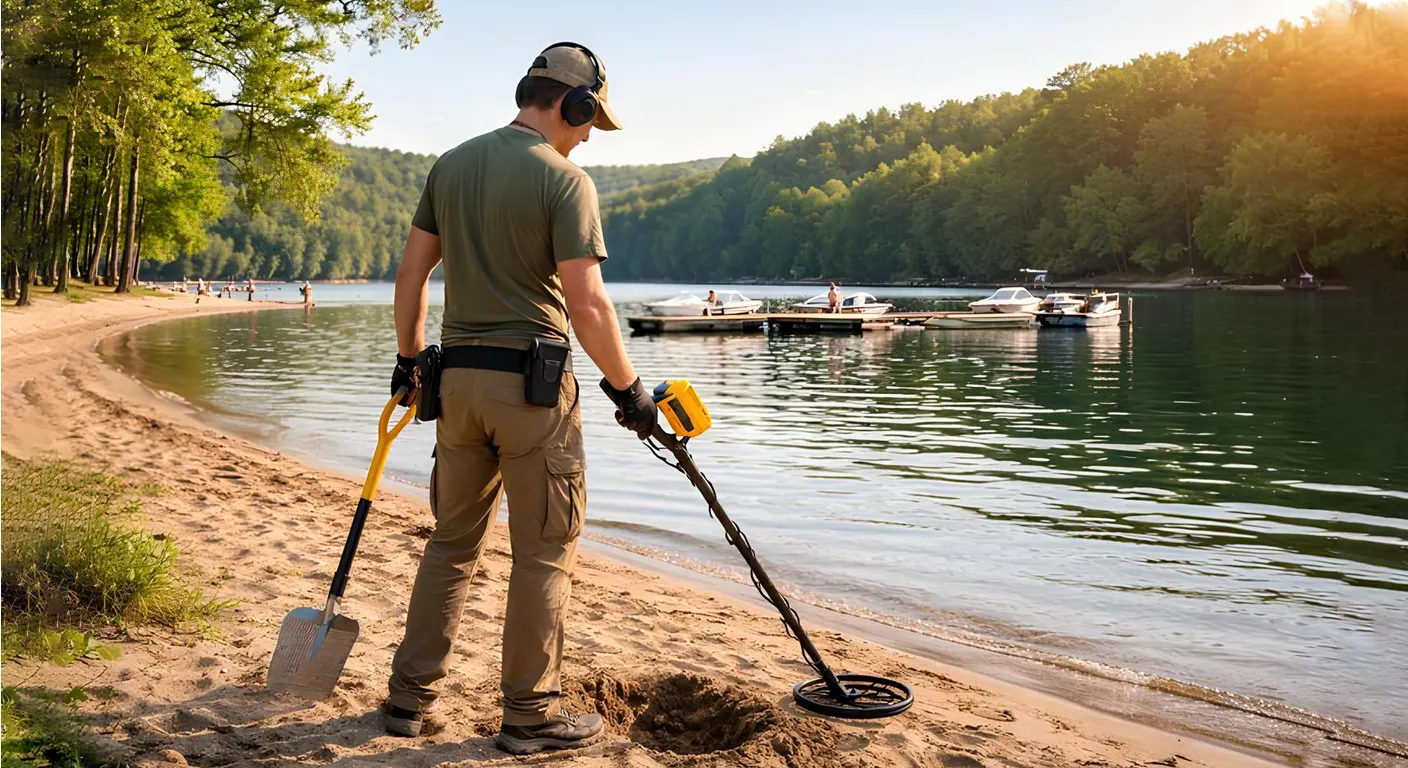
Ohio is an excellent place for metal detecting, as it offers the opportunity to explore historic trails, battlefields, and Great Lakes beaches. You walk across lands shaped by Native cultures, early settlers, military movements, and long trade routes. Ohio’s location along Lake Erie increases the chances of finding lost items from travelers and shoreline recreation.
State parks in Ohio remain some of the few public places where metal detecting is legally allowed. You gain easy access, parking, and maintained grounds without needing private land permissions. Read on as we explore ten of the best Ohio state parks for amateur and professional treasure hunters.
Table of Content
ToggleUnderstanding of Ohio Laws About Metal Detecting
Key Statewide Rules
Ohio metal detecting activities are regulated under Ohio Administrative Code Rule 1501:46-7-08 for all state-managed parks. This rule clearly outlines where detecting is permitted and where restrictions apply to protect cultural and natural resources.
Metal detecting is allowed without special permission on public swimming beaches and regularly mowed lawn areas used for recreation. These zones experience frequent surface disturbance, making controlled detection acceptable under park management standards. Written authorization is required before detecting within wooded areas, designated historic locations, archaeological zones, or protected nature preserves. These environments often contain sensitive cultural materials and undisturbed soil layers.
Any item believed to be over one hundred years old may qualify as an archaeological resource and must be reported to the Ohio Department of Natural Resources. Failure to report such finds can result in penalties or confiscation. Posted park signage, seasonal closures, and temporary restrictions must always be followed to remain compliant and protect future access for detecting.
Key Statewide Rules
- Detecting near archaeological zones, monuments, memorials, or restricted campground sections can lead to fines or bans.
- Leaving unfilled holes creates safety risks, damages turf, and threatens public access.
- Keeping artifacts that legally belong to the state violates Ohio preservation laws.
- Ignoring posted signs and park boundaries often results in unintentional rule violations.
- Using oversized digging tools increases ground damage and public complaints.
- Failing to research park-specific regulations before detecting causes avoidable legal issues.
Essential Gear for Ohio Metal Detecting
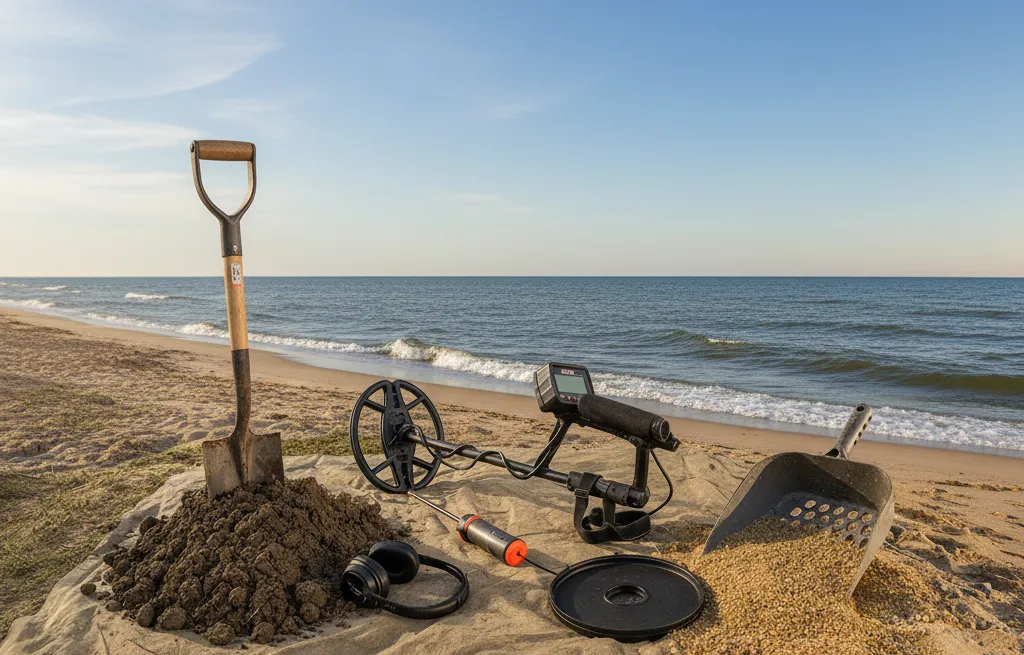
1. Understanding Ohio Ground Conditions
Ohio ground conditions include loamy agricultural soil, mineral-heavy clay, riverbanks, and freshwater beach sand. These varying substrates affect target depth, signal stability, and detector performance during hunts. Proper gear selection helps reduce false signals and missed targets across changing environments.
2. Recommended Metal Detector Type
You should use a multi-frequency metal detector that handles mineralization and wet sand effectively. Multi-frequency machines improve target identification accuracy in clay-rich soil and saturated shoreline areas. Adjustable ground balance is essential for stable operation in Ohio’s diverse terrain.
3. Recovery and Digging Tools
You need a quality pinpointer to speed recovery while minimizing unnecessary digging and turf damage. You should carry a sturdy shovel for compact soil and a lightweight sand scoop for beaches. Clean recovery tools help maintain park grounds and improve efficiency.
4. Waterproof and Beach Equipment
You are strongly advised to use a waterproof search coil for shoreline and shallow water detecting. Waterproof headphones improve signal clarity in windy beach conditions. Protective coil covers extend equipment life in rocky and gravel-heavy areas.
Top 10 Ohio State Parks for Metal Detecting
Ohio state parks provide varied terrain, visitor traffic, and soil conditions suitable for consistent detecting success.
[su_table responsive=”yes”]
Park | Main Terrain | Ideal Season | Common Types of Finds | Permission Needed |
Indian Lake | Sandy beaches, shallow water | Late summer, fall | Coins, rings, fishing gear | Beaches only |
Alum Creek | Reservoir beaches, lawns | Spring, fall | Coins, jewelry, relics | Limited zones |
Geneva | Lake Erie shoreline | Summer mornings | Jewelry, coins | Beaches |
Salt Fork | Beaches, recreational lawns | Late spring | Coins, modern items | Lawn areas |
Hueston Woods | Beach, former farmland | Fall | Farm relics, old coins | Permit required |
Caesar Creek | Beach, gravel shoreline | Spring | Fossil-related items, coins | Beaches |
Maumee Bay | Lake Erie and inland beach | Early summer | Coins, jewelry | Beaches |
Punderson | Beach, mowed lawns | Summer evenings | Rings, coins | Lawn areas |
Mohican | Riverbanks, lawns | After floods | Coins, camp relics | Limited areas |
Hocking Hills | Limited open lawns | Off season | Modern items | Written permission |
[/su_table]
1. Indian Lake State Park
Indian Lake State Park features expansive sandy beaches, shallow water zones, and heavy summer boat traffic that frequently displaces coins and jewelry. The park’s docks, swim areas, and picnic zones make it ideal for both casual detecting and more systematic searches.
Seasonal shifts create opportunities, as low summer water levels can reveal previously submerged items. Metal detecting near boat ramps often uncovers lost fishing equipment or small personal items.
- Finds: modern coins, silver rings, fishing weights, boating hardware, bottle caps, and small lost accessories
- Time: Off-season fall months provide quieter detecting windows with minimal interference from swimmers or boats
- Silver Recyclers recommends focusing on shoreline transitions, dock edges, and sandy pockets near swimming areas
2. Alum Creek State Park
Alum Creek spans over 3,000 acres of waterfront and lawn areas, with confirmed Native American relics dating back to 500 BCE. The park’s long beaches, recreational lawns, and picnic areas provide ideal detecting opportunities for modern and historical items alike. Detecting requires adherence to permitted zones to protect archaeological resources, especially near old settlements or documented Native sites.
- Finds: coins, lost jewelry, trade-related metal artifacts, small buckles, buttons, and recreational hardware.
- Tips: concentrate searches on high-traffic areas after weekends when dropped items accumulate, particularly near beaches and picnic tables.
- Seasonal strategy: spring and fall provide softer ground for easier digging and less crowded conditions
3. Geneva State Park
Located on Lake Erie, Geneva State Park has consistent tourist activity that constantly deposits surface artifacts. The combination of wave action and public foot traffic uncovers coins, jewelry, and small metallic objects, making it highly productive for both novice and experienced detectorists. Wet sand zones often contain the deepest finds.
- Finds: rings, earrings, coins, small personal accessories, and occasional bottle caps
- Finding Time: early mornings after busy summer days to reduce competition and maximize uncovered items.
- Tips: waterproof coils help in wet sand, and scanning along waterlines where wave action exposes buried targets improves recovery
4. Salt Fork State Park
Salt Fork is Ohio’s largest state park with multiple beaches, expansive recreational lawns, and open picnic areas. Systematic grid searches across these zones increase the probability of discovering coins, jewelry, and modern metallic items. Areas around volleyball courts and playgrounds are often productive due to repeated human activity.
- Finds: modern coins, costume jewelry, bottle caps, recreational metal items, and small toys.
- Tips: focus on high-traffic zones like picnic areas, beach access points, and maintained lawns to maximize finds.
- Best Practice: Avoid densely wooded areas unless written permission is obtained
5. Hueston Woods State Park
Hueston Woods offers a quieter experience near Miami University with fewer visitors. Non-beach areas require permits for detecting, but former farmland and open lawns may contain older artifacts, farm relics, and early twentieth-century coins. The park’s lower traffic and preserved areas make it suitable for research-driven detectorists.
- Finds: farm tools, brass hardware, early 1900s coins, belt buckles, and buttons
Ideal - Hobbyists: those who enjoy history-focused searches and research-based site selection.
- Tips: request permits early, focus on historic farmlands, and use low-impact tools to protect sensitive areas
6. Caesar Creek State Park
Caesar Creek State Park is known for its sandy and gravel beaches with occasional fossilized materials. Detecting here requires distinguishing metal objects from fossilized stones and natural debris. Shoreline edges where sand meets gravel are especially productive after storms or high-water events.
- Finds: coins, small relics, bottle caps, fossil-adjacent metal objects, and fishing gear
- Tips: focus on transitional zones between sand and gravel, especially after water level changes
- Seasonal advantage: spring provides softer soil and newly exposed items from winter ice or flooding.
7. Maumee Bay State Park
Maumee Bay features two distinct beach zones: the Lake Erie shoreline and an inland lake beach. Water movement and public activity create shifting opportunities for detecting coins, rings, and fishing-related items. Storm events often expose buried targets that are otherwise inaccessible.
- Finds: coins, rings, fishing gear, lost keys, and small metallic accessories.
- Ideal Finding Time: early summer mornings before heavy visitor traffic.
- Tips: check after storms for sand displacement and focus on waterlines where wave action concentrates metal objects
8. Punderson State Park
Punderson is compact with beach access and large mowed lawns, concentrating visitor activity in small areas. These zones provide high-density detecting opportunities for coins, rings, and small lost items. Recreational areas, volleyball courts, and picnic table perimeters are particularly productive.
- Finds: coins, rings, lost jewelry, bottle caps, and small toys
- Tips: grid search around high-use zones and maintain low-impact digging practices
- Seasonal strategy: summer evenings provide calm conditions after peak visitor hours
9. Mohican State Park
Mohican’s riverbanks and open lawns are productive for coins and camping relics, while flooded gravel bars after rain often expose metallic objects buried under sediment. Care should be taken to avoid wooded trails unless approved, as sensitive areas may contain protected artifacts.
- Finds: coins, camping relics, bottle caps, buckles, and fishing equipment.
- Tips: monitor riverbanks after seasonal floods, focus on exposed gravel bars, and avoid unapproved wooded areas.
- Seasonal strategy: spring and early summer are optimal when the water recedes, and the ground is softer
10. Hocking Hills State Park
Hocking Hills offers scenic landscapes with limited open lawns, making permission-based detecting essential for most non-beach areas. Rock shelters, caves, and sensitive formations require ethical awareness to avoid disturbing natural features. Carefully planned searches in approved areas yield modern items and small coins.
- Requires written permission for most non-beach areas
- Finds: coins, rings, modern accessories, and small metallic items
- Ethical considerations: protect rock shelters and caves, follow park rules, and avoid sensitive formations
- Tips: coordinate with park staff, use lightweight tools, and document finds with GPS for responsible detecting
Tips for Ethical and Effective Metal Detecting
Always refill dug holes carefully to prevent injuries, erosion, and long term surface damage. All recovered trash should be removed to improve signal clarity and protect wildlife habitats. Finds benefit from documentation using photos, GPS coordinates, depth readings, and detector settings for better analysis.
Sensitivity, ground balance, and recovery speed should be adjusted based on soil mineralization and moisture conditions. Low-impact digging tools help reduce turf disturbance in public spaces.
Historical maps and aerial imagery significantly improve site selection accuracy. Ohio metal detecting clubs provide shared permissions, advanced training, and access to organized group hunts.
Conclusion
Metal detecting in Ohio offers you history, accessibility, and rewarding outdoor experiences. You benefit by understanding state laws and respecting park regulations before detecting. The ten parks listed provide excellent opportunities when rules are followed carefully. You should review permissions and ethical practices before every hunt. If you live in Ohio, you should try metal detecting and enjoy uncovering hidden pieces of the past.
Recomended Reading
Related Products For Your Reference
Add comment
You must be logged in to post a comment.