
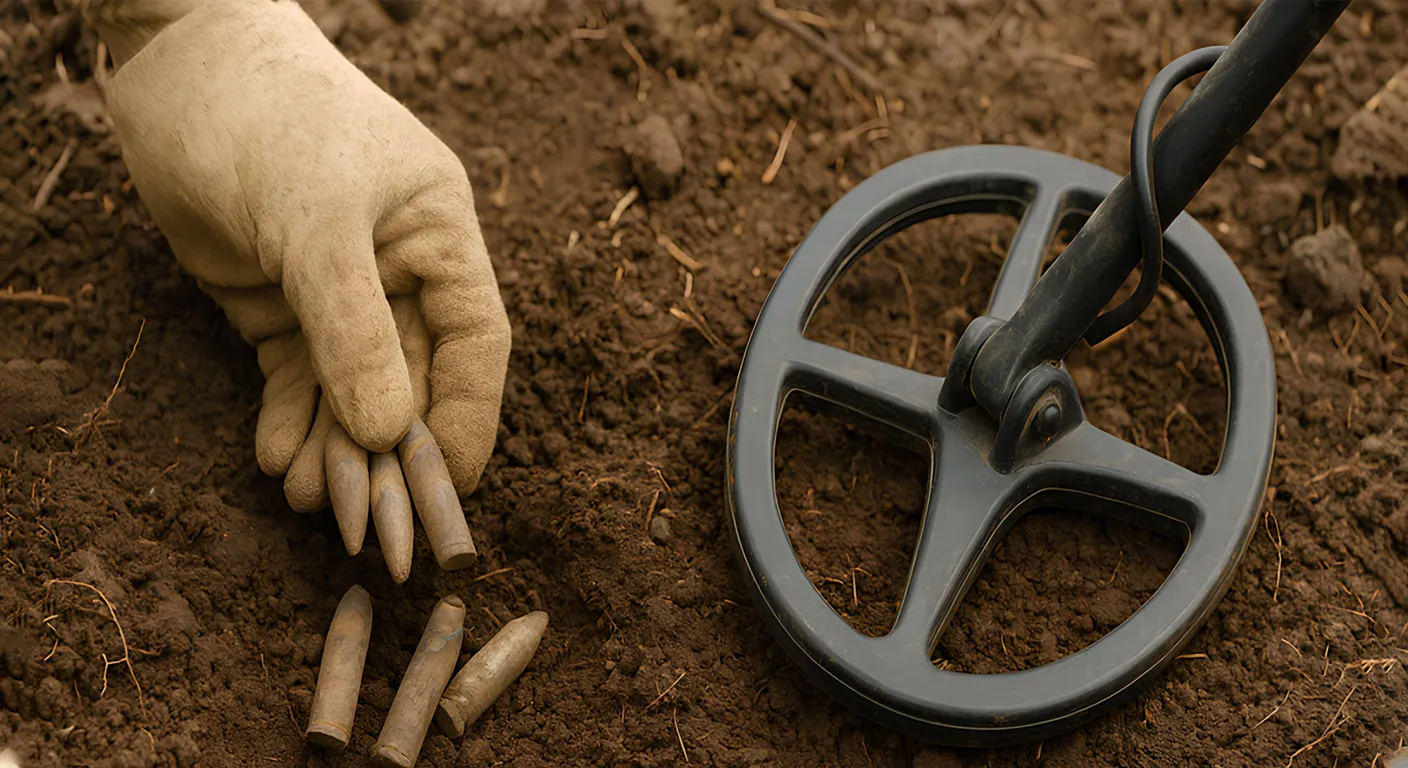
The first question many beginners, new to metal detecting, will ask themselves is what can be discovered underground? Coins, relics, and jewelry are easy to steal, but some individuals have dreams of finding something that is really historic, such as old bullets used in battles or hunting sites many years ago. It is very thrilling and meaningful to think about being able to keep a fragment of history that has been covered by the soil.
Yes, you can detect the old bullets using a metal detector. They are, however, rewarding and difficult to detect. It is a matter of patience, good knowledge of your equipment, and the search area. Locating a bullet is not only about discovering metal, but also about relating to the past, knowing what had happened, and how people used to live and struggle.
In this article, you will get to know how to successfully detect old bullets, where to detect them, and how to determine what you have found.
Table of Content
ToggleWhat Metal Are Bullets Made Of
Bullets are constructed of various materials, and knowing this will enable you to know how they respond to your detector.
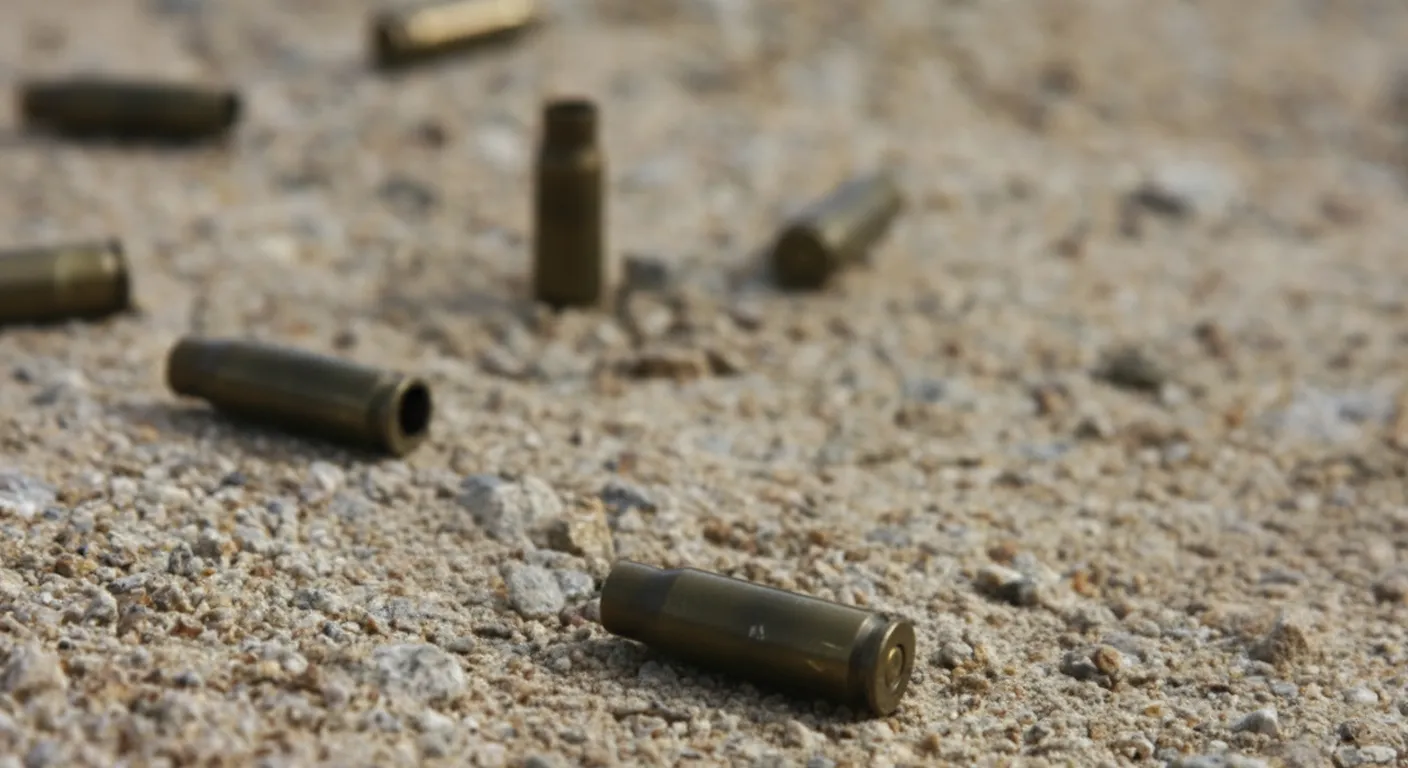
Previously, the majority of bullets were made of lead, the dense and easily malleable metallic element that generates a powerful signal when exposed to metal detectors. The modern bullets are usually copper-covered, i.e., a copper outer shell encloses a lead core.
Steel cores are present in some of the military or armor-piercing bullets and can cause a slight change in the detector response based on varied settings.
- Lead bullets: Highly detectable due to their density and conductivity.
- Copper-jacketed bullets: Still detectable but may produce a weaker signal.
- Steel-core bullets: Easier to detect but can be confused with iron trash if discrimination is set too high.
In brief, all these metals can be detected. However, the sensitivity and frequency settings of your detector are important factors in becoming an effective detector.
Why Detect Old Bullets
Finding old bullets isn’t just about collecting metal pieces. It’s about uncovering history and preserving stories that may have long been forgotten.
People detect old bullets for different reasons:
- For history: Bullets may tell us something about wars, hunting, or about some past events in that area.
- For collection: Antique bullets are a favorite among the collection and history buffs, particularly when they are related to such historic events as the Civil War or the early 20th century.
- For learning: The study of bullets reveals the evolution of ammunition design throughout history.
To a great extent, the experience of finding old bullets can be educational and emotional. Every discovery makes you relate to one point in the history of someone: a soldier, a hunter, or a frontiersman.
Where to Find Old Bullets
It is better to familiarize yourself with the places where bullets are most likely to have been buried before commencing the detection. The selection of the place can be a massive difference in your success. These areas combine adventure, history, and the thrill of discovery, making them perfect for bullet hunters.
1. Abandoned Farmlands and Rural Properties
Hunting was a common activity in old farmlands, and small skirmishes were possible. In the past, farmers used rifles either to defend livestock or as a sport. These bullets may sink into the ground over the years as a result of plowing and erosion. Always seek authorization before trespassing on private land.
2. Old Campsites, Logging Areas, and Frontier Settlements
These places used to be very busy in the past. Travelers, hunters, and workers used to carry firearms. They may still have bullets and shell casings that may be concealed in the ground. Search to see traces of campfires, of ancient roads, or clearings where they might have held a gathering.
3. Riverbanks, Creeks, and Forest Trails
The common hunting trails used were rivers and forest trails. As time goes on, downstream or deep bullets can be forced to move by the heavy rain and flooding. A waterproof metal detector should be used to enable you to search around the shallow water or wet soil.
4. Historical Homesteads and Towns
There are relics in abandoned towns or homesteads of bullets. Search around barns, backyards, and fences where people could have done shooting. Such places can be found in the local archives or old maps
How Deep Can a Metal Detector Detect Bullets
The depth of detection varies depending on a number of factors, such as your type of detector, the size of the bullet, and the soil. An average good quality metal detector has the capacity to detect bullets that are buried at a depth between 6 to 12 inches.
However, certain conditions affect this range:
- Size and composition: Larger or denser bullets (like lead) are detected deeper.
- Soil moisture: Wet soil improves conductivity, helping detectors sense targets better.
- Ground mineralization: High mineral content in the soil can interfere with signals, reducing detection depth.
- Detector frequency: Lower frequencies detect deeper, while higher frequencies are better for small objects.
If you’re hunting in areas with sandy or clay soil, you may need to adjust your detector’s ground balance for more accurate readings.
How to Choose the Right Metal Detector to Detect Old Bullets
Bullet hunting does not make all detectors equal. It will require one that is sensitive enough to pick up small lead objects and remain stable in rough terrain.
Here’s what to look for:
- Frequency: Select a detector of higher frequency (10-20 kHz). This scope is ideal for small targets such as bullets.
- Sensitivity: Use adjustable sensitivity to fine-tune the ground conditions.
- Ground balance: This is essential when one is trying to identify mineralized soils, forest floors, or water sources.
- Discrimination: Discrimination should be maintained at a low level to prevent discrimination of lead bullets that may sound like junk metal.
A multi-frequency detector would be the best in case you are serious about searching for bullets. It has a good balance of depth and accuracy, which enables you to identify the small and deep-seated targets effectively.
Accessories for Bullet Detecting
To simplify detecting sessions and make them more effective, you will require several items:
- Pinpointer: Assists you in pointing out exactly where the bullets are with one of your main detectors, giving the signal.
- Small digging tools and trowels: Ideal for carefully excavating bullets without damaging them.
- Finds pouch and gloves: Keep your finds organized and protect your hands during digging.
- Cleaning and storage kits: Gently clean and store relics to preserve their original state.
Such tools might appear to be some basic ones, yet they can help your detecting experience to be smoother and enjoyable.
How to Identify Old Bullets
Bullet identification is a critical phase of the process since it informs you about the age of bullets and their origins.
To identify an old bullet:
- Observe the shape: Round musket balls are typically 18th-19th century, whereas pointed musket balls belong to the modern age.
- Check for patina and surface color: Lead bullets are also likely to have a white or grey color layer formed on them as a result of age and oxidation.
- Look for markings or grooves: Rifling marks or manufacturer stamps can reveal the firearm type and period.
- Compare with references: Online databases or guides, like FocusSpeed or us, provide visual examples to help identify your finds.
Additional Tips for Detecting Old Bullets
Before heading out to hunt, keep these important tips in mind:
- Get permission: Always ask for consent before detecting on private property or government-managed sites. Unauthorized detecting can lead to fines or confiscation of your finds.
- Stay safe: Some old bullets may still contain traces of gunpowder or lead residue. Avoid touching them directly with your bare hands.
- Clean carefully: Never use strong chemicals or wire brushes, as they will take away the historical significance of the bullet.
- Document your finds: Keep a record of the location and date of finding every bullet you have found. This gives a background and credibility to your collection.
Conclusion
It is not merely a hobby to find old bullets using a metal detector, but it is an adventure that links you to the past. You can find bullets in wars, hunting trips, or frontier days that can be the key to the fascinating story of the past with the right equipment, knowledge, and patience.
To recap:
- Know what the bullets are made of so that you can turn on your detector.
- Explore promising locations like abandoned farms, old campsites, or historical settlements.
- Choose a detector with a suitable frequency, sensitivity, and ground balance.
- Use helpful accessories like pinpointers and digging tools to make recovery easier.
- Identify and preserve your finds with care and respect for their historical value.
Every new finding provides another dimension of knowledge about history. Go take your detector and get outside and go hunting, you never know what you will find next, it could be a century-old bullet ready to share its tale.
And also remember to tell the rest of the detectorists about what you have found out, and each discovery contributes to the interesting puzzle of our history.





Add comment
You must be logged in to post a comment.