
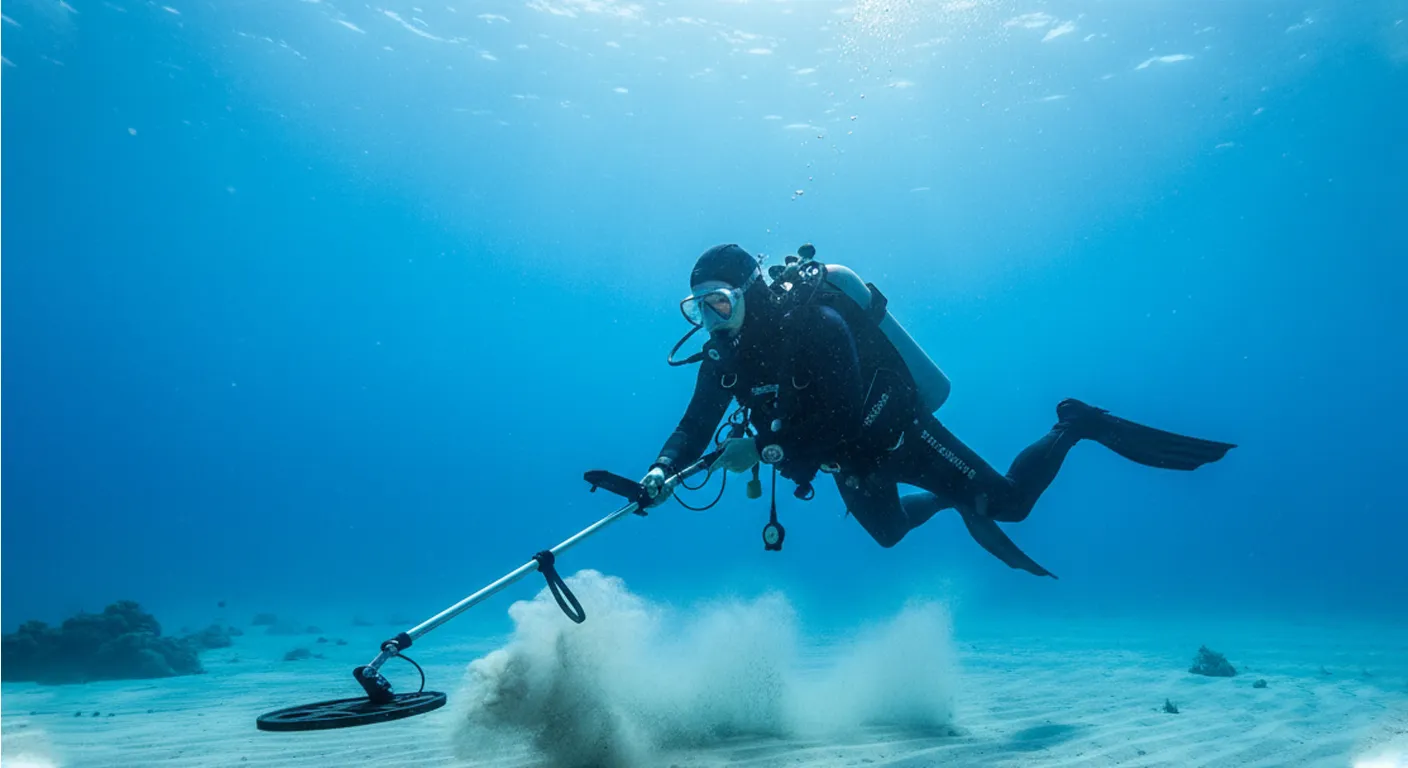
Underwater metal detecting has emerged as a very interesting blend of adventure, technology, and discovery. Many people do it as treasure hunting, archaeological research, recovery missions, marine surveys, etc. It has the adventure of finding lost relics or somehow reclaimed precious artifacts lying below the surface.
However, underwater detection is not as easy as beach or land detection. The underwater environment is accompanied by many challenges, such as water conductivity, poor visibility, water pressure, and difficulty of navigation. The equipment has to be resistant to saltwater corrosion and function properly at different depths of water.
Despite being an amateur or a seasoned diver, the operations of underwater metal detection, along with having the preparation made, might ensure the time you spend in exploration is safe and fruitful.
Table of Content
ToggleWhat Is Underwater Metal Detection
Underwater metal detection can be defined as the process of using specialized equipment to detect the presence of metallic objects under water surfaces such as oceans, lakes, rivers, etc.
These detectors are used to search for metallic materials buried under sand, mud, or sediment under water by emitting electromagnetic signals. It is popular with hedge fund managers, treasure hunters, marine archaeologists, and recovery specialists around the world.
How Metal Detection Works Underwater
1. Electromagnetic Induction Basics
At the most basic level, metal detection is done by induction underwater by electromagnetic radiation. The coil will send out an electromagnetic field to the surrounding water. An eddy current is the opposite current produced when the field encounters a metallic object. The sensor detects this change and sends it to the diver either by sound or other visual cues.
2. Effects of Water Type
The type of water, saltwater or freshwater, is an influence on the significance of detection or performance of the signal. Freshwater also provides fewer detection problems, as freshwater is a poor conductor of electricity.
Salt water, however, consists of dissolvable salts and other minerals, which may interfere with the electromagnetic field, resulting in erratic signals or false identification. Therefore, selecting the suitable type of detector and its proper calibration is important to achieve correct results.
3. Signal Behavior and Depth Limitations
Signal strength decreases as you travel deeper into the water. The deeper it goes, the more difficult it is for electromagnetic waves to find their way back to us with appreciable data. Furthermore, signal range can be decreased by factors such as temperature, salinity, and sediment density. Pulse Induction (PI) detectors are more suitable for deep targets, whereas Very Low Frequency (VLF) detectors can be used for shallow targets.
Main Types of Underwater Metal Detectors
1. Very Low Frequency (VLF) Detectors
The hobbyists usually have VLF detectors. These devices have two coils, one of them transmitting an electromagnetic field, and the other receives the reflected signal. These detectors are lightweight, accurate, and can detect the difference between different metals.
Pros: Excellent for freshwater use, discriminates between metals, and is affordable.
Cons: Struggles with saltwater interference and limited depth capability.
2. Pulse Induction (PI) Detectors
Pulse Induction detectors operate differently by an energy burst of short electrical energy instead of a constant signal. The electromagnetic pulses penetrate deeper into the sediment and are unaffected by minerals in salt water.
Pros: Ideal for saltwater conditions, great depth range, and stable performance.
Cons: Heavier and lacks fine discrimination between metal types.
3. Multi-Frequency Detectors
Multi-frequency detectors are a combination of both VLF and PI systems. They can work simultaneously on multiple frequencies and thus offer greater flexibility and accuracy for use in different environments.
Pros: Adapts to both saltwater and freshwater, deeper detection, and better sensitivity.
Cons: Usually more expensive and complex to operate.
4. Key Features to Consider
When choosing an underwater detector, pay attention to these essential features:
- Waterproofing: Ensure the device and its coil are fully submersible.
- Pressure Resistance: Check maximum depth ratings before diving.
- Sensitivity Adjustment: Allows tuning to ignore small unwanted items.
- Corrosion Protection: Stainless steel and plastic parts resist saltwater damage better.
Preparation for Underwater Detection
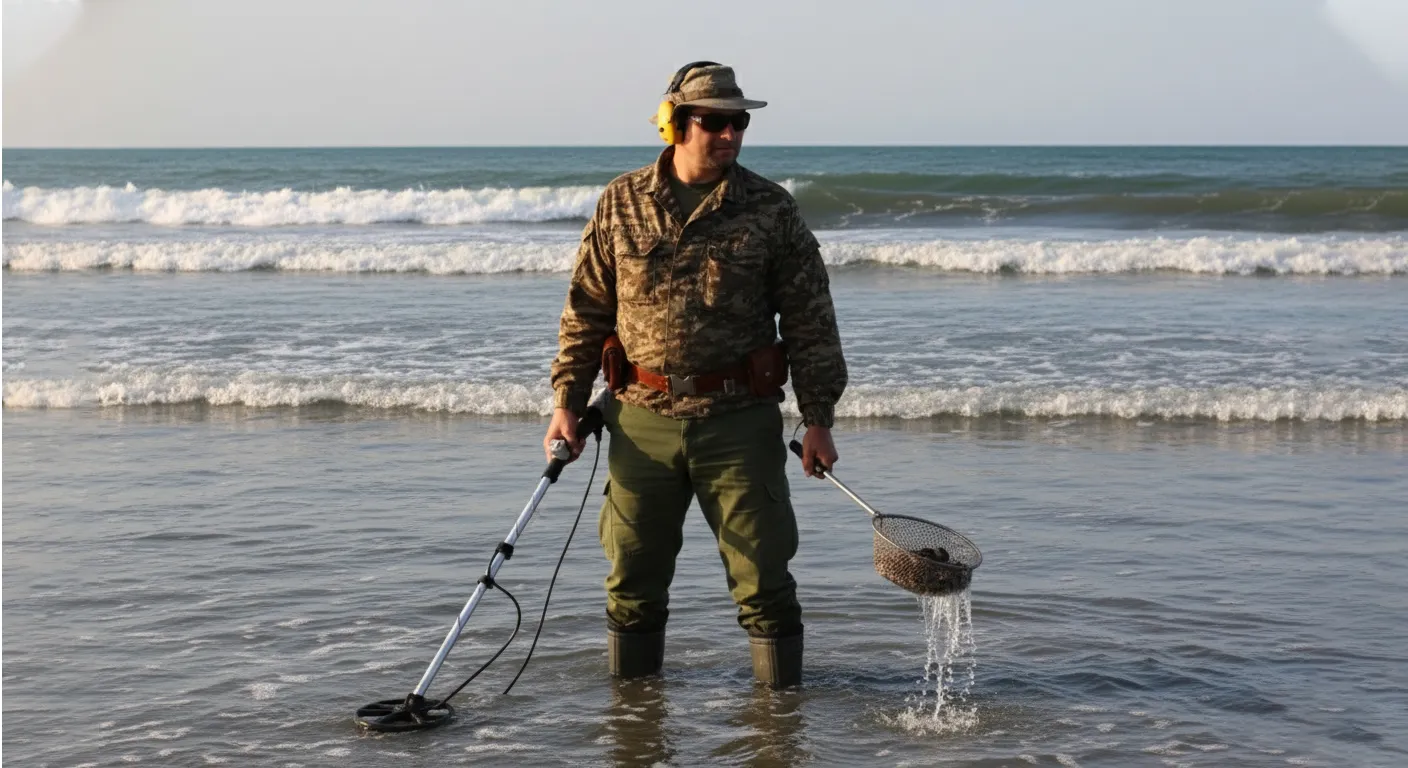
Before entering the water, it is vital to have the right planning and preparation. It provides safety, better detection, and avoids damage to the equipment.
1. Research & Legal Considerations
Prior to diving, inquire about your local rules on underwater detecting. Some areas are legally protected and off limits: mariners’ memorials or other historic sites, marine sanctuaries, etc. In water recovery, a permit or a license is required in certain countries.
Researching your dive site helps too. Study maps, maritime records, and shipwreck databases. Look into past exploration data and sonar imaging, if available. Knowing the site’s history can give clues about potential artifact locations or metallic deposits.
2. Choosing the Right Equipment
Having the right setup can make or break your detection session.
- Metal Detector and Coils: Choose based on depth, salinity, and target type.
- Pinpointer: A handheld device helps you locate objects precisely once detected.
- Diving Gear: A wetsuit, fins, gloves, and a mask are essential for comfort and safety.
- Scuba Equipment: Use reliable oxygen tanks, regulators, and depth gauges.
- Safety Tools: Always carry surface markers, a diving knife, and an underwater flashlight.
- Communication Devices: Some divers use underwater radios or hand signals for coordination.
3. Pre-Dive Tests
You have to test your detector in shallow water before you put it in deeper water. This will assist you in testing the stability of signals and becoming accustomed to the tones of sounds.
Adjust your detector on the basis of the salinity and minerals of the region. The use of auto-adjustment features is provided in many of the modern detectors. Although manual tuning may be required to provide more accurate results.
Check buoyancy to make sure that your equipment’s weight is balanced underwater.
Common Challenges and Solutions
1. Reduced Sensitivity in Saltwater
Saltwater usually endangers signal accuracy. To deal with this, turn off ground balance or get a little more sensitive. To achieve a more stable result, the second-best solution is to use a PI or multi-frequency detector.
2. False Signals from Mineralization
False readings may take place in areas where there are high concentrations of iron deposits or corroded metals. To reduce this, you can apply filters on discrimination. This is done by sweeping your coils slowly as you identify actual targets.
3. Low Visibility
The visibility of underwater may be influenced by light, algae, or sediments. A handheld flashlight or an incorporated headlight should always be present, as it is an underwater necessity. Sonar devices are also useful in finding large objects in dark situations.
4. Navigation Issues
Going astray is the usual occurrence, particularly in deep or heavy-current waters. Trust acoustic positioning systems or underwater compasses. And never go out diving alone, and must stay in visual range.
5. Equipment Maintenance
Metal detectors are corroded by saltwater in a minimal time. Rinse in fresh water after every dive of your equipment. Wipe off all the moisture and look at O-rings, seals, and battery covers. Regular maintenance work proves to be very helpful in saving the lives of your detector and improving its performance.
Safety Tips for Successful Underwater Detection
Safety should always be your priority when conducting underwater metal detecting. Here are some important tips to follow:
- Always Dive with a Buddy: Never dive alone. Having a partner ensures mutual safety and communication.
- Use Surface Markers: These alert nearby boats about your diving location and prevent accidents.
- Monitor Air Supply: Always keep an eye on your oxygen levels and reserve enough for your return.
- Observe Depth Limits: Stay within the depth rating of your detector and your diving certification.
- Plan Dive Duration: Pre-plan your entry, exploration time, and exit strategy.
- Stay Calm: If visibility drops or equipment malfunctions, stay calm and signal your buddy.
- Protect Marine Life: Avoid disturbing coral reefs, aquatic plants, or sea creatures during your search.
- Environmental Awareness: Collect your trash and never damage the underwater ecosystem while detecting.
Step-by-Step Guide to Conduct an Underwater Metal Detection Dive
Here’s a simple process to help you conduct your underwater detection safely and efficiently:
1. Site Selection
Select your field of study depending on the research and accessibility. Research past maps, reports about diving, and the maritime records to determine good areas that have potential artifacts or lost relics. Legal permission should always be checked before diving to avoid prohibited or guarded places.
2. Equipment Setup
Connect your detector and make sure that all the waterproof seals are locked, and the batteries are charged. Test the tension of coils, straps, and display functions before submersion. Even a brief test on land will assist in making sure that all is well and that nothing can break down when in water.
3. Pre-Dive Test
Test the detector on shallow water with known metallism to test the accuracy of the signal. Set parameters of sensitivity and discrimination to steady values. Getting to know the signal tones is a great idea to eliminate confusion when studying actual targets under the sea.
4. Dive Planning
Establish the course, entry,y, and exit. Give signals and hand signals to your buddy in order to keep in touch with them. Take into account underwater currents, visibility, and approximate dive time to make it an easy and good exploration trip.
5. Scanning Technique
Go very slowly and in a steady manner with the coil along the seabed to cover the same area all the way over. Overlaying sweeps will ensure that one does not overlook tiny things that are set deep. Maintain a steady speed and hold the coil especially near the ground to achieve maximum depth gathering.
6. Target Identification
As soon as a signal is observed, wait and flex the coil in small circles to make sure it is in the right position. Your pinpointer will improve accuracy, and you will not be disturbing the surrounding sediment needlessly. Patience will provide excellent recovery and avoid losing the position of the object.
7. Careful Retrieval
Sand or sediment can be removed easily using a small scoop, brush, or gloved hand. Do not dig fiercely – you will likely ruin some of the delicate artifacts. Move findings into a safe pouch and capture the details on recording the context and value of the findings.
8. Documentation
Record the location, the depth, and the type of metal of your find that you will be using later on. Note the GPS position where you are, and capture photos underwater. This assists in monitoring areas of successful searches and assists in research, identity, or legal recording of items discovered later.
9. Post-Dive Maintenance
Wash all equipment with freshwater to get off all the salt and debris as possible. Vouch checks, coil housings, and metal corrosion components. Always ensure that they are completely dry before storage to eliminate rust and ensure the long life time performance and durability of your equipment.
Conclusion
Underwater metal detecting is not just a book project; it is a heart and soul to discover and explore technology and history. By possessing the appropriate knowledge, planning, and equipment, you can find valuable treasures and, at the same time, maintain marine environments.
Each step is important towards success, be it the knowledge of electromagnetic principles or the determination of the appropriate type of detector to use. You should always do research on your location, obey the regulations of law, and also check the equipment beforehand. Dive responsibly, do not harm the marine life, and never dive alone.
You can find lost riches, research historic shipwrecks, or get a host of exciting adventures underwater with metal detecting, and become addicted to being underwater. With proper planning, practice, and responsibility, your underwater adventures can be both safe and unforgettable.






Add comment
You must be logged in to post a comment.