
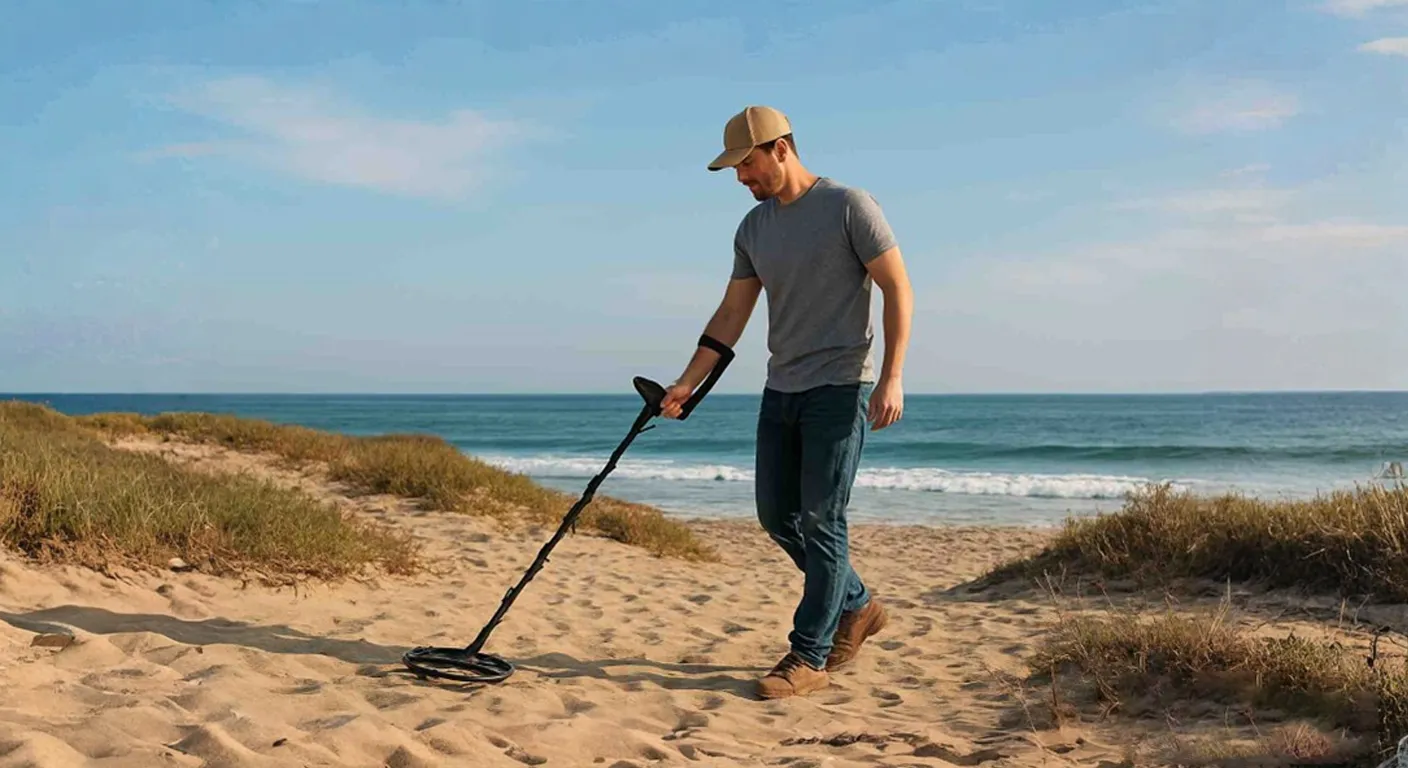
I was out of this world when I started metal detecting. The first shiny detector that I purchased online was not well-researched. It was stunning, well-reviewed, and would be profoundly detected. But after I began using it, everything was not that smooth. The signals were not very regular, and hours were wasted digging bottle tops rather than coins. It was at this point that I came to realize I had made the wrong selection in the kind of detector I was going to have.
This story may be relevant to you in case you are intending to begin metal detecting. The fact is that not all metal detectors suit all people. What will be just fine when it comes to a beach hunter may be a disaster in the rocky grounds. To make the right one, you need to know what you need, where you want to go, and what is around you.
This is the total 2025 guide that will help you know what to seek before purchasing a detector. You will be taught how to find the right model for your hunting mission, some of the major characteristics, and a wise investment. Whether you are a novice or a hobbyist, moving to a new, higher-quality model.
Table of Content
ToggleOverview of Metal Detecting
Metal detecting is an activity that has a combination of inquisitiveness, patience, and a passion for being outdoors. It is possible to find coins, jewelry, relics, or even gold nuggets buried on the surface using a metal detector. It is not about the treasure but the adventure, the adventure of discovery and exploration, which is enjoyed by many.
The gadget itself operates with the help of electromagnetic signals. It transmits a voltage into the earth, and when such a signal strikes a metal object, it will bounce back. The detector next notifies you by either sound or visual means. High-tech detectors have the capability of distinguishing between metals, such as iron, silver, or gold.
Nowadays, metal detecting is more available than ever. Detectors are less heavy, more precise, and are made in various settings – in city parks and deep undersea exploration.
What You Want to Detect
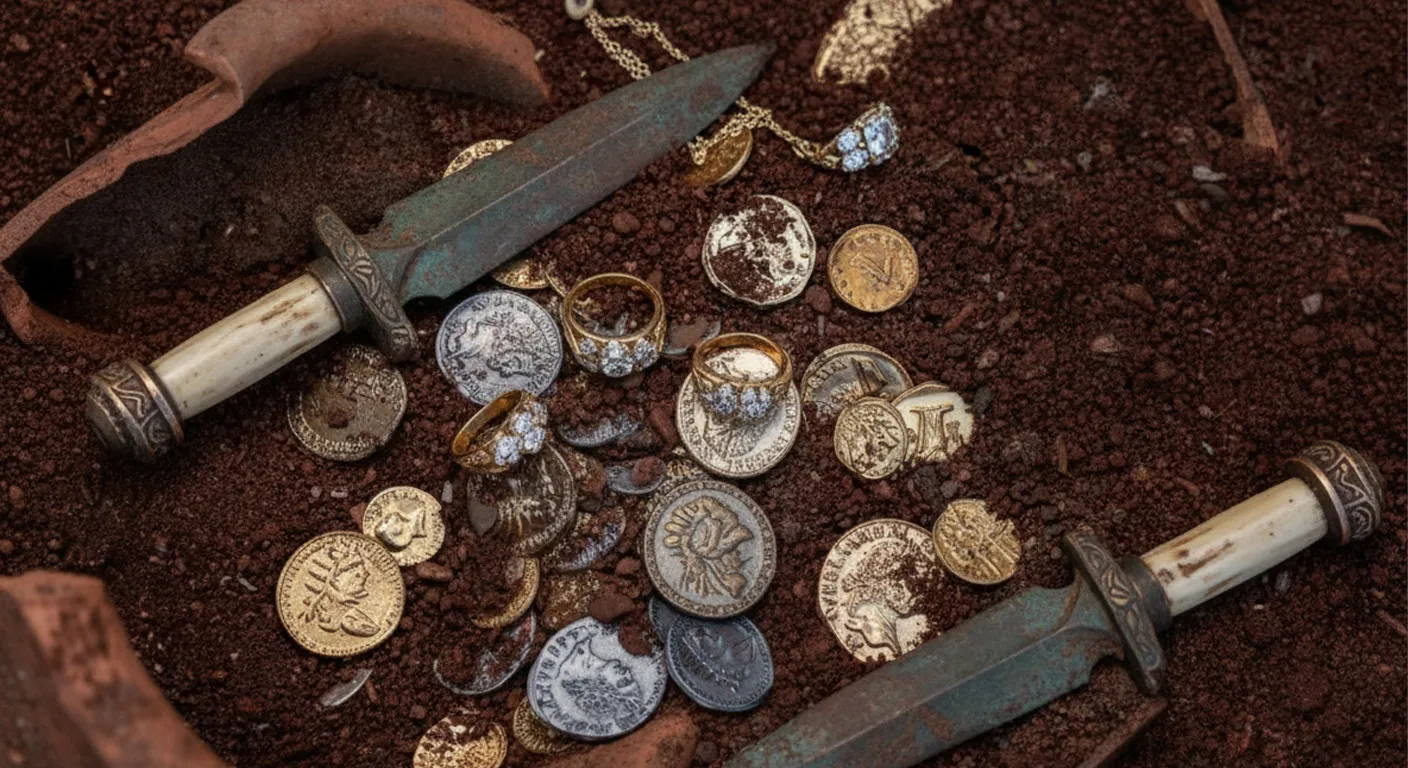
The initial thing is to determine what you want to find before you start shopping. Various treasures have different needs for detectors of varying frequencies, sizes of coils, and the sensitivity of detectors.
This is the list of some typical targets and what should be thought about each one:
- Coins and Jewelry: This is the most preferred amongst the beginners. You will find them in parks, on beaches, and in yards. In their case, use a highly discriminative detector to eliminate iron wastes and minute junk metals.
- Relics and Artifacts: Relic hunting is commonly done when it is time to go out to the older fields or battle grounds. A detector with adjustable ground balance will be required to deal with different soil conditions.
- Gold Nuggets: Gold should have highly sensitive pulse induction detector technology. They can locate small grains even in the mineralized soils, but are more expensive.
- Beach and Underwater Detecting: Wet and salt water are able to confuse the normal detectors. It will require one that is waterproof with a salt rejection characteristic to enhance stability and precision.
By knowing where you want to go, you will not waste money on what you do not need. You want to detect
The location is a big factor in the success rate. Some regions are abundant in relics, and those that are full of contemporary coins. Knowing the environment assists you in the selection of the appropriate frequency, type of coil, and durability.
Common locations include:
- Public Parks: Coins and jewelry. The accessibility and beginner-friendly soil make it easy. Beaches: Best for waterproof models; you’ll find rings and lost valuables.
- Fields and Forests: Ideal for relic hunting; watch for soil mineralization.
- Backyards or Old Properties: Perfect for beginners to practice without restrictions.
- Mountains and Rivers: Use gold-specific detectors with pulse induction technology.
Tip: It is always essential to seek permission before trespassing on private property. Some historical or government-owned sites demand permits. Adherence to these rules makes the activity enjoyable to all and guards heritage sites.
Common Different Types of Metal Detectors
There are three main types of detectors. Each serves a different purpose depending on what and where you’re hunting.
[su_table responsive=”yes”]
| Type | Best For | Features |
| VLF (Very Low Frequency) | Coins, jewelry, and relics | Lightweight, affordable, good discrimination, struggles in mineralized soils |
| PI (Pulse Induction) | Beaches and underwater detecting | Great depth, ignores minerals, fewer false signals, less target separation |
| Multi-Frequency | Versatile detecting in all terrains | Detects multiple metals at once, stable performance, higher accuracy, and lower cost |
[/su_table]
In case you are a beginner, use a VLF detector. It is user-friendly and offers sufficient sensitivity to the majority of hobby hunts. PI or Multi-Frequency models can be upgraded by an advanced user who goes to the beach or rough terrain.
Key Factors to Consider Before Buying
The correct selection of a theater detector does not involve acquiring the most costly one. It is about aligning your objectives with functions that matter. Before purchasing, one should consider the following most significant considerations:
- Target ID and Discrimination: This option informs you of the type of metal that is beneath. It also makes you see the difference between what is worthwhile and garbage, such as bottle tops or nails.
- Sensitivity and Depth Range: The sensitivity will be greater, and the depth will be higher. Excess sensitivity in mineralized ground can however lead to an erroneous signal. Find models whose settings can be adjusted.
- Ground Balance: Soils are different with regard to mineral content. Adjustable ground balance is useful to keep the signal stable in harsh environments such as beaches or gold fields.
- Waterproof Design: It is necessary to check whether your coil is waterproof or the entire detector is waterproof in case you want to hunt in water.
- Weight and Ergonomics: Metal detecting may consume hours, and thus, a lightweight, balanced design will avoid arm fatigue. Padded grips and adjustable shafts are an added advantage.
- Battery Life: You do not want your hunt to come to an earlier conclusion. Select models that have long-lasting or rechargeable batteries.
Bonus Tip: Do not forget to check your detector once you have it out of the box. See what happens by burying various metals in your backyard to know how your machine reacts.
Cost for Different Metal Detectors
The cost of a detector differs according to its features, technology, and brand. The following is a rough guideline on what you should expect at each price range:
[su_table responsive=”yes”]
| Budget Range | What to Expect | Features |
| Under $200 | Entry-level detectors for kids or casual hobbyists | Lightweight, simple display, basic depth detection |
| $200–$500 | Ideal for beginners seeking better performance | Ground balance, deeper detection, improved discrimination |
| $500+ | Professional-grade detectors for serious hunters | Multi-frequency tech, waterproofing, advanced target ID, and precision |
[/su_table]
An effective entry-level budget is approximately in the range of 200-400 dollars, where you can get good detectors that have good features without being that expensive.
Recommended Beginner-Friendly Models
OMMO has some of the best and convenient metal detectors in the market, in case you are seeking affordable and convenient ones. Our detectors are very comfortable, precise, and durable – exactly what one needs as he/sheenters this thrilling hobby.
Both models have adjustable sensitivity, specific target identification, and are ergonomically operated. Be it in the park or on a beach, OMMO detectors will help in fun detection and reward.
- For Adults: Explore our collection here: OMMO Metal Detectors for Adults.
- For Kids: Check out fun and safe options here: OMMO Metal Detectors for Kids.
OMMO detectors are cheap, powerful, and easy to use by beginners. They are a great choice in family activities or in treasure hunting alone.
Bonus Tips for Beginners
To make your first detecting experience smoother, keep these practical tips in mind:
- Start in open spaces with minimal interference to learn how your detector reacts.
- Use headphones to clearly hear faint signals that might indicate deep or small targets.
- Mark your spots on a map or with GPS to track successful locations.
- Dig carefully using a proper digging tool to avoid damaging valuable finds.
- Clean your finds gently to preserve their condition, especially if they’re old relics.
- Join a local detecting club or online group to learn from experienced hunters.
Metal detecting requires patience. You might dig up trash for hours before finding something special. But every dig builds your skill and knowledge.
Conclusion
The selection of the appropriate metal detector in 2025 is quite a matter of knowing what you want to do. Consider what you are seeking, the location you are going to hunt, and what qualities are the most important to you.
A good detector must be comfortable to use, one that gives you the right reading, and one that is in tandem with your environment. How to pay attention to target ID, sensitivity, ground balance, waterproofing, battery life, etc. – it says how much you will enjoy your hunts and how successful they are going to be.
In case you are at a loss for words, beginner-friendly models of OMMO are an excellent option. They are meant to ensure that it is simple, simple, and fun to detect fun among adults and even children.
Behind each signal you pursue lies a tale of failures to discover. Then prepare your detector, take your hat, and go out and see what you will find. And in case you are already on your way, tell us about your adventures – your experience may make a person start his/her adventure!






Add comment
You must be logged in to post a comment.